Known as America’s first national park, Yellowstone, with its sprawling landscapes and diverse wildlife, remains a perpetual marvel and a preferred destination for nature enthusiasts worldwide. Basking under the magnificence of the Rocky Mountains, Yellowstone offers a breathtaking potpourri of geysers, hot springs, and unique geological formations that lure millions of visitors each year.
Spanning across parts of Wyoming, Montana, and Idaho, Yellowstone National Park stands as a testament to the grandeur of unspoiled nature. The park covers an expansive 2.2 million acres, which makes it larger than Rhode Island and Delaware combined.
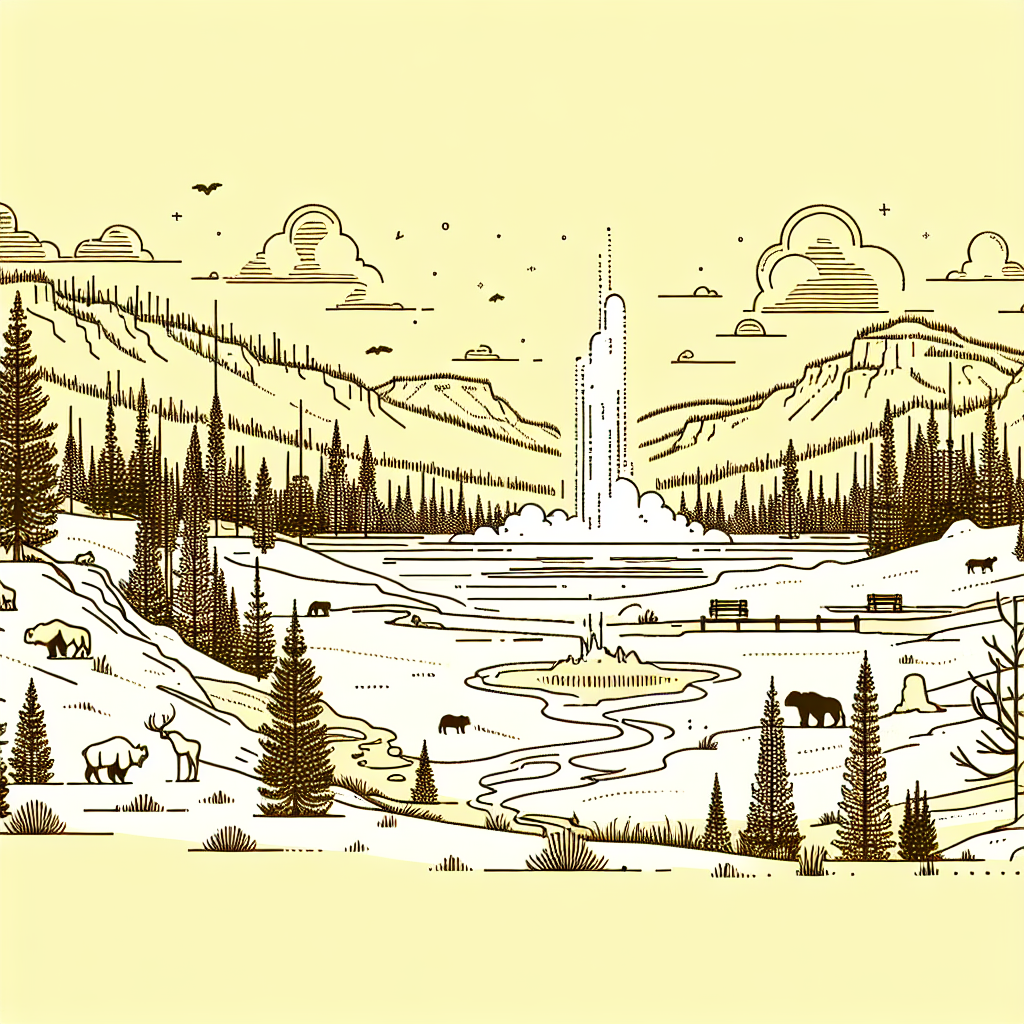
Renowned for its geothermal features, Yellowstone is home to over half the world’s geysers, with the most famous being Old Faithful.
This renowned geyser has remained a symbol of consistency and predictability, erupting almost every 90 minutes.
Another geothermal phenomenon that captivates visitors is the Grand Prismatic Spring. As the park’s largest hot spring, it boasts a stunning array of colors that change with the seasons and temperature. The spring’s vibrant hues are due to pigmented bacteria in the microbial mats that flourish around its edges. The sight of this rainbow-colored natural spectacle offers an experience that is truly unparalleled.
Yellowstone’s unique geological features extend far beyond its geysers and hot springs.
The park is actually an active volcano, one of the largest volcanic systems in the world, which adds an element of intrigue and wonder to its stunning landscape. The last major eruption occurred around 640,000 years ago, creating the Yellowstone Caldera. Today, signs of Yellowstone’s volcanic activity can frequently be seen in the form of minor earthquakes and ground deformations.
However, Yellowstone’s allure goes beyond its geothermal features and volcano.
It’s also a haven for wildlife, hosting a wide variety of animals, including grizzly bears, wolves, and herds of bison and elk.
The park is one of the last remaining natural habitats for these species in the United States, making it a vital conservation area.
Furthermore, Yellowstone offers a multitude of recreational activities for visitors of all ages. Hiking trails wind through forests, canyons, and mountain ranges, each offering a unique viewing point of the park. Fishing enthusiasts find Yellowstone Lake and the park’s many rivers to be bountiful grounds, while winter sports enthusiasts can enjoy cross-country skiing and snowshoeing.
Despite its natural beauty and recreational opportunities, visiting Yellowstone also offers an educational experience. With visitor centers and museums displaying the history, geology, and ecology of the park, visitors can deepen their understanding of this natural wonder.
In recent times, efforts have been intensified to preserve the park’s unique ecosystem and the diverse species that inhabit it. From limiting human impact to researching ways to maintain the park’s health, preservation remains a top priority to ensure future generations can experience the magic of Yellowstone.
A trip to Yellowstone National Park is more than just a holiday; it’s an expedition into a world where nature retains its pristine state. The blend of geological wonders, a diverse range of wildlife, and a variety of recreational activities make it a destination that consistently appeals to adventurers, nature lovers, and those seeking serene beauty alike. Ultimately, Yellowstone is a testament to the spectacular natural wonders that our planet has to offer. From the towering peaks to the vibrant springs, every corner of the park reverberates with the untamed spirit of nature.