Yellowstone is a landscape of extremes — steam plumes rising from colorful hot springs, thundering waterfalls carving deep canyons, and iconic wildlife roaming wide valleys. Whether planning a first visit or returning to explore deeper, appreciating Yellowstone means balancing wonder with respect for fragile natural processes and unpredictable wildlife.
Geothermal wonders and how to see them
Yellowstone contains one of the planet’s largest concentrations of geothermal features. Hot springs like the vivid Grand Prismatic, geysers such as Old Faithful, and steaming fumaroles create unforgettable scenes. To enjoy them safely and responsibly, stay on designated boardwalks and trails: the thermal ground is thin and scalding, and even small missteps can be fatal. Eruption schedules for many predictable geysers are posted at visitor centers and available from park resources; for less predictable features, allow time and patience — the best views reward quiet observation rather than a rush from site to site.
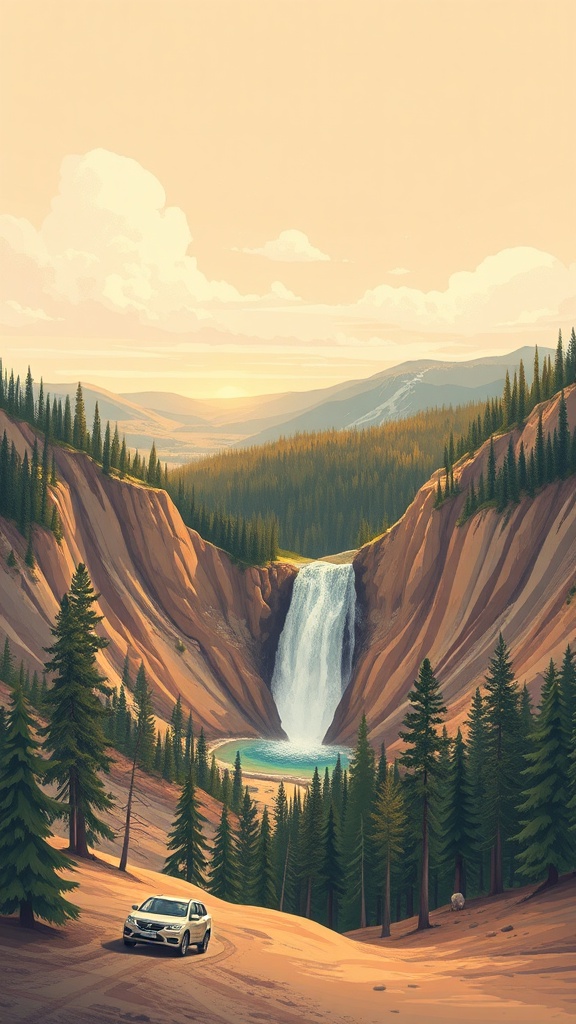
Wildlife viewing: respectful distance and timing
The park’s wildlife is a major draw — bison, elk, wolves, bears, moose, and numerous bird species.
Safe viewing means keeping established distances: remain at least 100 yards from bears and wolves and about 25 yards from other animals. Use a telephoto lens or binoculars to see close without approaching. Dawn and dusk are prime wildlife hours, but crowds and vehicle backups often occur near popular pullouts. If you stop, pull completely out of the travel lane, keep engines off when watching, and never feed or attempt to touch animals.
Practical travel and season tips
Yellowstone’s weather can change quickly, so dressing in layers and carrying rain gear is smart even for short outings. Roads and access points vary seasonally; check park alerts before departure for closures, construction, and wildlife closures.
Staying overnight inside the park offers early- and late-day access to popular sites, but surrounding gateway towns also provide lodging if campsites are full.
To minimize crowds, visit geothermal basins early in the morning or later in the afternoon, and explore lesser-known loops for quieter vistas.
Preservation and etiquette
Leave-no-trace principles are essential here.
Pack out trash, avoid throwing coins or objects into springs (which damages their chemistry and appearance), and keep pets in approved developed areas and on a leash where allowed. Stay informed about park rules regarding drones, campfires, and permitted activities; regulations aim to protect both visitors and fragile ecosystems.
Safety around thermal features and wildlife
Hydrothermal areas are unstable and deceptively dangerous: boiling water can be just beneath a thin crust, and the gases can be hazardous.
Follow signage and keep children close.
With wildlife, never back up toward an animal; if you encounter a predator at close range, make yourself look larger and slowly back away while keeping the animal in sight. Report any aggressive or injured wildlife to park staff.
Capture the moment
Photography tips: use a polarizing filter to reduce glare on thermal pools, a zoom lens for wildlife, and a tripod for low-light canyon shots. Respect other visitors’ views and avoid obstructing boardwalks or pullouts while composing images.
Yellowstone combines dramatic geology, abundant wildlife, and accessible outdoor recreation — but it rewards visitors most when approached with patience, preparation, and a commitment to conservation. Check official park resources for current conditions and alerts before you go, and let curiosity guide you while stewardship keeps the park thriving for everyone.