Wyoming Ranches: What Draws Visitors, Buyers, and Conservationists
Wide-open skies, rolling sagebrush, and a culture rooted in livestock and open land define Wyoming ranches. Whether you’re planning a ranch vacation, considering ranch real estate, or exploring ways ranching intersects with conservation, Wyoming offers a mix of authenticity and modern adaptation that keeps ranch life relevant and resilient.
Why Wyoming ranches stand out
Wyoming’s landscape supports diverse ranching operations—from high-country cattle and sheep outfits to guest-oriented dude ranches and mixed-use properties with hunting and fishing access. The sense of space and minimal light pollution make ranch stays appealing for travelers seeking outdoor immersion and solitude. For buyers, Wyoming ranches often combine productive grazing acres with water rights, important access routes, and proximity to public lands—features that influence both lifestyle and long-term value.
What to expect on a ranch stay
Guest ranches range from rustic bunkhouses to upscale lodges. Typical activities include trail rides, cattle drives, fly fishing, wildlife viewing, and guided hikes. Many ranches emphasize hands-on experiences—hokey chores, roping lessons, or evening campfire storytelling—that offer a genuine sense of working-ranch life.
Seasonal rhythms matter: spring and fall tend to be active for livestock work, while summer often brings more recreational guests.
Conservation, sustainability, and innovation
Modern ranching in Wyoming balances production with stewardship. Rotational grazing and targeted riparian protection help maintain grassland health, reduce erosion, and benefit wildlife habitat.
Increasingly, ranch owners pursue conservation easements to permanently protect open space while retaining private ownership and certain development rights.
Carbon markets and habitat credit programs are also being explored as supplemental revenue streams, giving landholders new ways to finance conservation practices.
Renewable energy and diversification
Ranchers often diversify to stabilize income and preserve operations. Popular options include short-term guest accommodations, guide services, hay production, and leasing for renewable energy projects where appropriate. Solar and wind leases can provide steady cash flow on less productive parcels—though they require careful consideration of aesthetic, wildlife, and grazing impacts.
Water, wildlife, and public land relationships
Water is a central asset on any Wyoming ranch—irrigation ditches, ponds, and springs shape grazing patterns and wildlife use.
Understanding water rights is essential when evaluating ranch property. Many ranches also border or include access to public lands, which supports hunting, recreation, and larger-scale grazing.
Balancing livestock operations with migratory corridors for elk and mule deer often requires creative management and cooperation with state wildlife agencies and neighboring landowners.
Buying or investing in a ranch: practical tips
– Prioritize water rights and fencing condition. Water access often determines carrying capacity more than acreage alone.
– Confirm access and easements. Seasonal closures or county roads can affect usability.
– Evaluate infrastructure.
Corrals, barns, wells, and housing influence immediate operating costs.
– Consider conservation tools.
Easements, stewardship programs, and habitat incentives can protect land and add financial flexibility.
– Work with local experts.
Brokers, appraisers, and ranch managers familiar with Wyoming issues help avoid costly surprises.
A living heritage with adaptive momentum
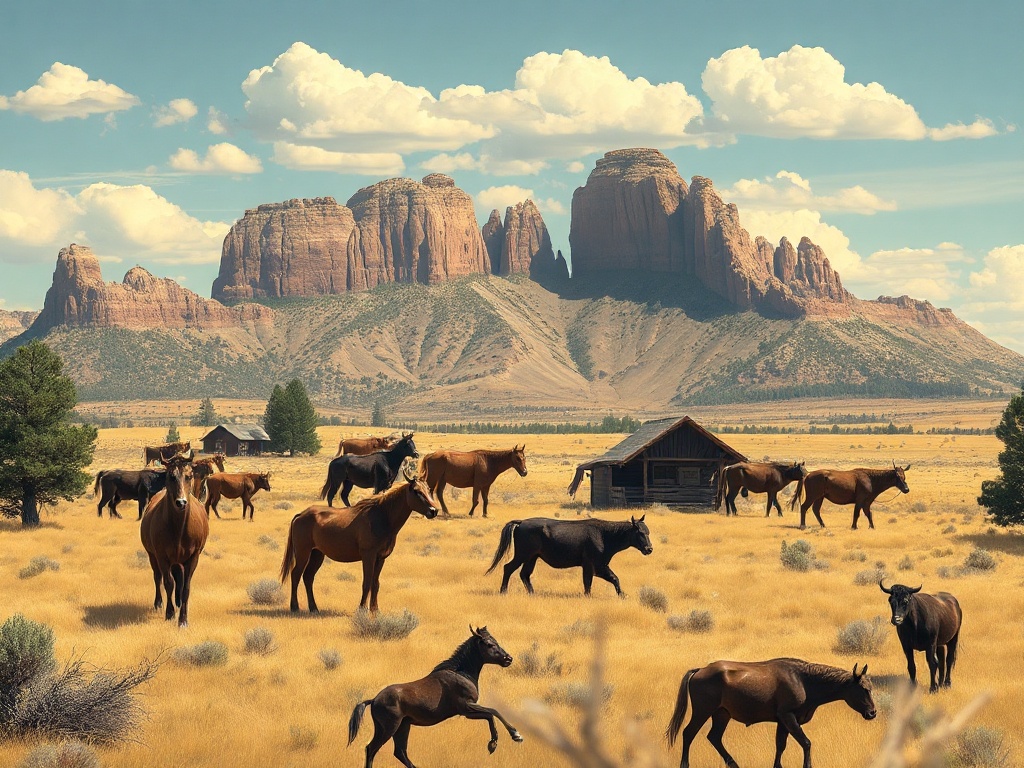
Wyoming ranches combine a deep cultural legacy with innovative approaches to land stewardship and business sustainability.
For travelers, owners, and conservation-minded investors, ranches offer more than scenery—they provide active engagement with landscape and livelihood.
Whether seeking a hands-on vacation or a long-term land investment, learning local lease, water, and wildlife dynamics is key to a rewarding Wyoming ranch experience.