Wyoming ranches capture a unique blend of wide-open landscapes, working livestock operations, and a growing focus on conservation and diversification.
For anyone drawn to the idea of ranch life — whether as a buyer, visitor, or land steward — understanding how traditional practices blend with modern resilience strategies is essential.
What makes Wyoming ranches distinctive
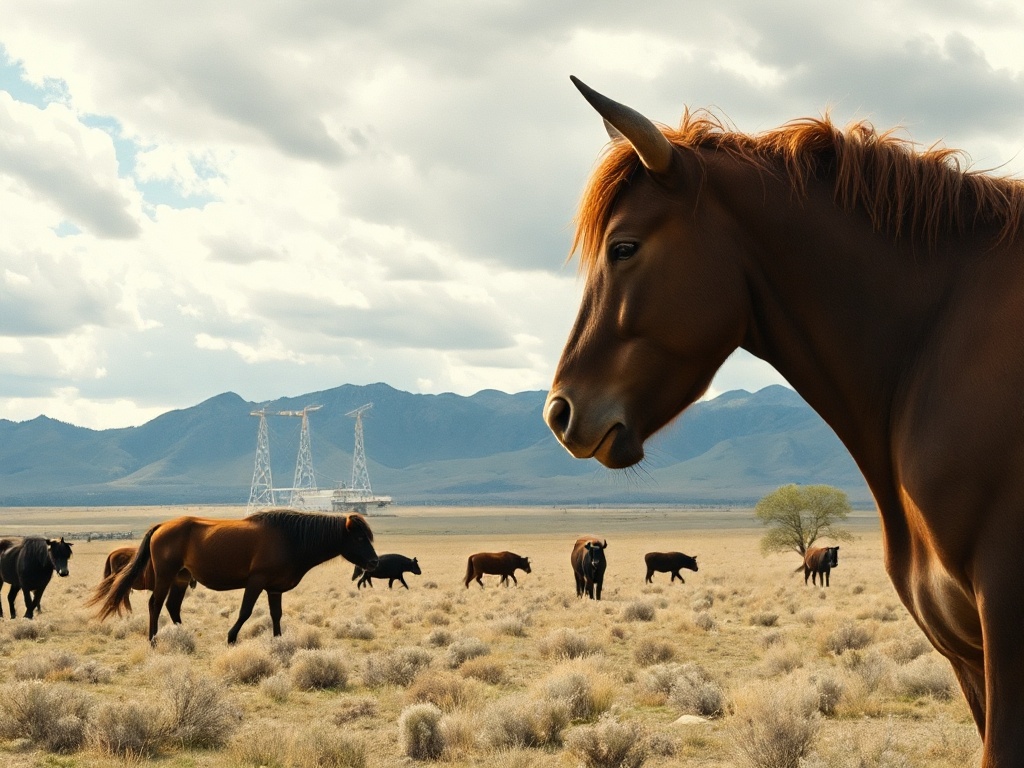
Wide valleys, sagebrush steppe, and mountain foothills provide grazing for cattle, sheep, and a variety of wildlife. Many ranches depend on federal grazing permits for access to public lands managed by federal agencies, creating a mosaic of private and public stewardship. That arrangement supports large-scale grazing while keeping scenic vistas intact, but it also requires careful coordination around grazing schedules, range health, and drought response.
How ranches are diversifying revenue
Beyond beef and wool, ranches are tapping into alternative income streams that strengthen financial resilience:
– Guest ranch and dude ranch experiences attract visitors for horseback riding, fly-fishing, and backcountry access. These operations range from authentic working-ranch stays to luxury retreats.
– Hunting and fishing leases provide steady seasonal income, and managed wildlife habitat can enhance both ecological value and recreational appeal.
– Conservation easements and partnerships with land trusts can unlock tax incentives while protecting open space and wildlife corridors.
– Renewable energy leases — often for wind or solar — offer another revenue channel, especially in open, windy basins.
– Participation in carbon and ecosystem service programs is becoming more common, where verified grazing practices and habitat restoration can generate credits.
Sustainable grazing and land health
Sustainable grazing techniques are central to long-term productivity.
Rotational grazing, strategic salting, and targeted rest periods for pastures help maintain plant diversity and soil structure. Restoring riparian areas and controlling invasive species protect water quality — a top concern where seasonal flows and groundwater levels influence both ranching and wildlife.
Risk management: drought, wildfire, labor, and succession
Ranching requires proactive risk planning. Drought contingency plans, supplemental forage strategies, and flexible herd management reduce vulnerability during dry spells. Fire preparedness — fuel breaks, grazing as a fire-mitigation tool, and cooperative community response — is increasingly important where wildfire risk overlaps rangelands.
Labor shortages and succession planning also shape the future of many family ranches; creative staffing, mechanization, and clear estate planning support continuity.
Buying or visiting a Wyoming ranch: practical tips
– Verify water rights and irrigation infrastructure; water availability often determines carrying capacity and land value.
– Check for conservation easements or other deed restrictions that limit development.
– If public‑lands grazing is part of the operation, review permit terms and historical AUMs (animal unit months).
– For visitors, respect private property, follow local guidelines, and plan for variable weather and high elevation conditions.
– Ask about biosecurity, especially when visiting working ranches, to protect livestock and range resources.
Cultural and recreational value
Ranching traditions — horsemanship, seasonal drives, and land-based knowledge — are deeply woven into local communities. For travelers, a stay on a working ranch offers a hands-on perspective on stewardship and rural lifestyles. For buyers and conservation-minded partners, ranches present opportunities to preserve habitat, maintain open space, and support resilient rural economies.
Wyoming ranches remain a compelling blend of heritage and innovation. Whether managing livestock, hosting guests, or protecting habitat, ranch owners are finding creative ways to balance production, conservation, and community values while adapting to changing conditions.