Moab and its parks are a magnet for outdoor lovers — dramatic red-rock arches, sweeping canyon overlooks, legendary singletrack and off-road routes. Whether you’re aiming for a sunrise photo beneath Delicate Arch, a technical mountain-bike lap on Slickrock, or a quiet backcountry night under the stars, planning and respect for the landscape will make the trip safer and more enjoyable.
Why visit
– Iconic landscapes: Arches and nearby canyon country deliver huge rewards for modest hikes and scenic drives. Unique rock formations and expansive overlooks make photography easy and memorable.
– Diverse recreation: Hiking, trail running, mountain biking, rock climbing, canyoneering, off-roading and river trips all share the same backyard — giving visitors many ways to explore.
– Night skies: The clear desert air and sparse light pollution make the area excellent for stargazing and night photography.
Top experiences to prioritize
– Arches viewpoints and short hikes: Several overlooks and short trails provide access to world-famous formations without committing to long backcountry routes.
For more adventurous visitors, longer routes and guided excursions are available.
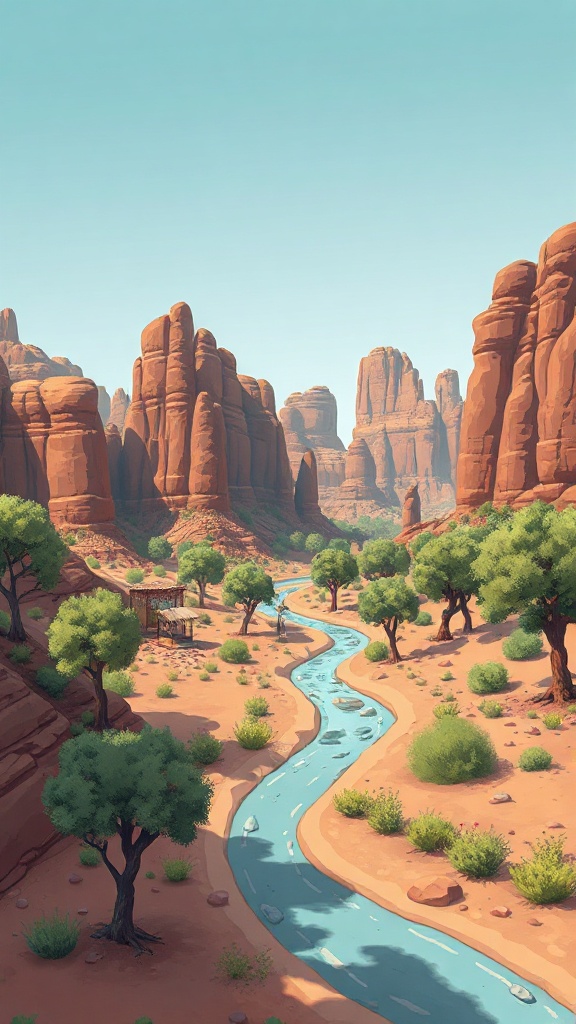
– Slickrock and Sand Flats: Renowned mountain-biking terrain draws riders of all skill levels. Expect technical sections, steep grades and amazing exposure — and remember that skill, fitness and proper equipment matter.
– Canyonlands viewpoints: Drive up to dramatic overlooks that reveal the vast carved landscape below. Backcountry routes exist for hikers and paddlers seeking solitude.
– Off-road loops and scenic drives: Gravel and rock roads lead to remote viewpoints and ghost towns.
Know vehicle requirements before you go; some routes need high clearance and 4WD experience.
Safety and responsible recreation
– Hydration and sun protection: Desert conditions are unforgiving. Carry ample water (multiple liters per person for day hikes), sun protection, and extra food. Start early or late to avoid the hottest parts of the day.
– Trail etiquette: Stay on designated trails to protect fragile cryptobiotic soils and vegetation. Yield appropriately on multi-use trails: hikers yield to uphill traffic, bikers yield to hikers, and communicate when passing.
– Permits and fees: Some areas and special activities require permits, timed-entry reservations, or day-use fees. Check official park pages and local land-management agencies before traveling.
– Vehicle preparedness: If you plan to explore dirt roads, carry a spare tire, recovery gear and a map.
Cell service can be intermittent; offline navigation and a basic repair kit are wise.
– Leave No Trace: Pack out all trash, minimize campfire impacts, and respect wildlife and cultural resources. Many fragile sites look resilient but can take generations to recover from disturbance.
Photography and timing
Golden hours around sunrise and sunset reveal colors that make Moab’s sandstone glow.
Popular overlooks fill quickly, so arrive early for prime spots or scout less mainstream vantage points for unique compositions.
Night-sky photographers will find dramatic milky-way and star-trail opportunities on clear nights.
Final reminder
Moab’s parks are popular and fragile — planning ahead enhances your safety and protects the landscape for future visitors. Before you go, verify current conditions, access rules and permit requirements with the managing agencies, pack for desert conditions, and choose routes that match your experience. With care and preparation, a visit delivers unforgettable scenery and adventures.