Yellowstone remains one of the planet’s most compelling wild places — a vast landscape of geysers, hot springs, rivers, canyons, and iconic wildlife. Whether planning a first visit or returning to explore more deeply, understanding how the park works and how to experience it responsibly makes for a safer, richer trip.
Geothermal wonders and safety
Yellowstone’s geothermal features are fragile, colorful, and dangerous.
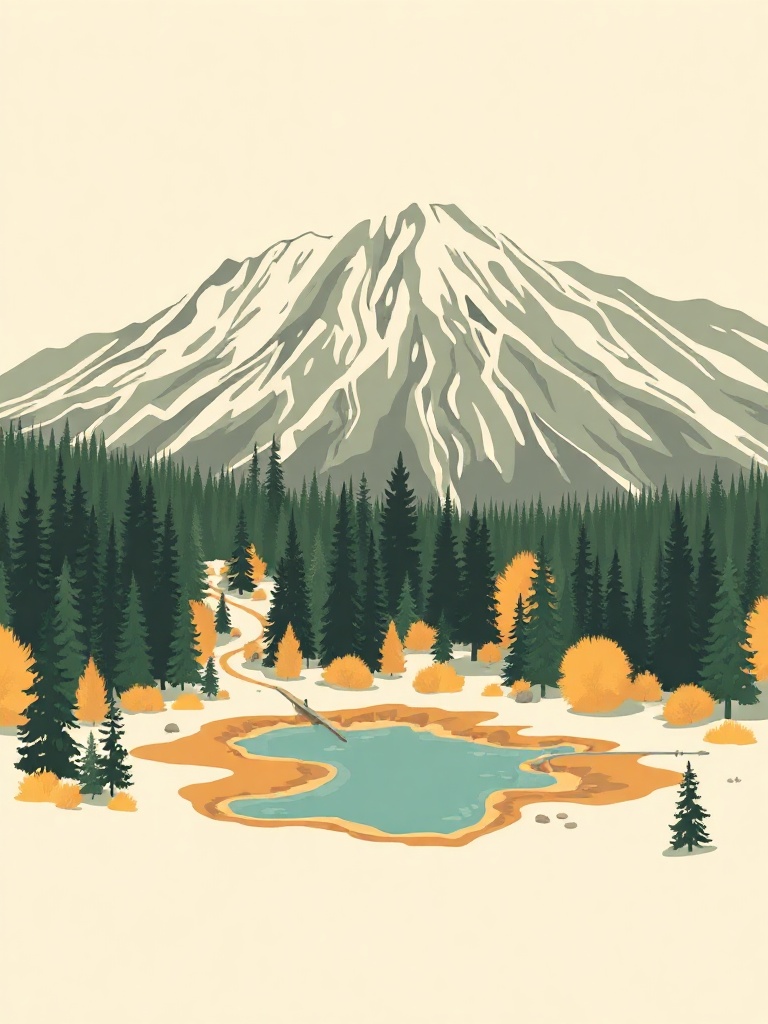
Boardwalks and designated trails exist to protect both visitors and delicate thermal crusts that can be thin and scalding. Popular sights include reliable geysers, dramatic hot springs, and steaming fumaroles clustered in geyser basins — each with unique chemistry and microbial mats that create bright pigments. Respect closures, obey posted signs, and never touch thermal waters or step off maintained paths; thermal injuries and fatal accidents have occurred when people ignored warnings.
Wildlife viewing and etiquette
Yellowstone supports bison, elk, moose, bears, wolves, pronghorn, bighorn sheep, and many bird species. Wildlife viewing is a highlight, but animals are wild and unpredictable. Keep a respectful distance, use binoculars or telephoto lenses, and avoid approaching or feeding animals.
Parking safely off the road and staying inside your vehicle when appropriate keeps both you and wildlife safer. Crowds can form quickly at sightings, so spread out and avoid blocking roadways.
Best times and places to explore
Crowds concentrate at major attractions, while quieter experiences await those who venture beyond the most famous stops. Early mornings and evenings offer better light for photography and more active wildlife.
Lesser-known areas and backcountry trails provide solitude for hikers who plan ahead and carry maps, extra water, and bear-aware gear.
Popular wildlife corridors and meadows are often most productive for sightings during dawn and dusk.
Practical planning tips
– Check current park conditions and road status before traveling; closures for weather, wildlife management, or maintenance are common.
– Bring layered clothing; temperatures can shift rapidly between valleys and higher elevations.
– Carry a reusable water bottle, snacks, sunscreen, and a basic first-aid kit. Cell service is limited in many park areas, so download maps and emergency contacts beforehand.
– Consider ranger programs, guided walks, or interpretive talks to deepen understanding of geothermal science, ecology, and park stewardship.
Sustainability and stewardship
Yellowstone’s ecosystems are sensitive.
Pack out trash, leave natural objects undisturbed, and follow Leave No Trace principles. Keeping vehicles on designated roads and avoiding short-cutting trails protects vegetation and wildlife habitat.
Support conservation by following park guidance, participating in volunteer programs if available, and learning how research and management strategies balance visitor access with long-term preservation.
Science and monitoring
Scientists continuously monitor seismic activity, ground deformation, and gas emissions to better understand the geothermal system beneath the park. That work informs public safety, resource protection, and visitor information.
Interpretive centers and exhibits offer insights into the dynamic forces that shape the landscape.
A thoughtful visit to Yellowstone rewards patience and curiosity. By prioritizing safety, respecting wildlife, and minimizing impact, visitors help ensure that this extraordinary place remains vibrant and accessible for generations of explorers to come.
Check official park sources for the latest conditions and guidelines before you go.