Wyoming: Why this wide-open state remains a top choice for outdoor adventure and quiet living
Wyoming is famous for its dramatic landscapes, abundant wildlife, and vast public lands — a combination that makes it a magnet for outdoor lovers, photographers, and anyone craving space and solitude.
Whether you’re planning a trip or thinking about a lifestyle change, understanding what Wyoming offers and how to prepare will make the experience richer and safer.
What draws people to Wyoming
– Iconic national parks: Yellowstone and Grand Teton provide geothermal wonders, towering peaks, and diverse wildlife viewing that are unmatched. The dramatic skylines and accessible trails make both parks ideal for day hikes, backcountry adventures, and photography.
– Endless public lands: Much of Wyoming is managed for public use. Bureau of Land Management areas, national forests, and state lands offer dispersed camping, hunting, mountain biking, and motorized trail systems.
– Wildlife and biodiversity: Expect to see bison, elk, pronghorn, moose, and a variety of bird species. Predators like bears and mountain lions are present in many regions, so awareness and respect for wildlife are essential.
– Small-town culture and ranching traditions: Towns such as Jackson Hole, Cody, Sheridan, and Laramie provide a mix of Western culture, rodeos, art galleries, and seasonal festivals that celebrate local history and outdoor life.
Practical tips for visiting or moving
– Plan for weather swings: High desert and mountain climates produce rapid changes. Pack layers, including wind- and waterproof outerwear, and be ready for cooler temperatures at higher elevations even during warm seasons.
– Respect wildlife safety: Keep a safe distance from all animals. For bears and large ungulates, maintain several dozen yards and never approach calves or young animals. Store food securely and follow local guidance on bear-safe practices.
– Check access and permits: Some backcountry routes and trailheads require permits or seasonal closures for wildlife protection. Fishing and hunting require licenses; verify regulations before heading out.
– Stay prepared for altitude: Much of Wyoming sits at high elevation. Hydrate, pace yourself when exerting, and be aware of altitude-related symptoms if you’re not acclimated.
– Know road conditions: Rural roads can be gravel, narrow, and affected by weather. If exploring off the beaten path, carry extra water, a spare tire, and basic tools.
Best ways to experience Wyoming
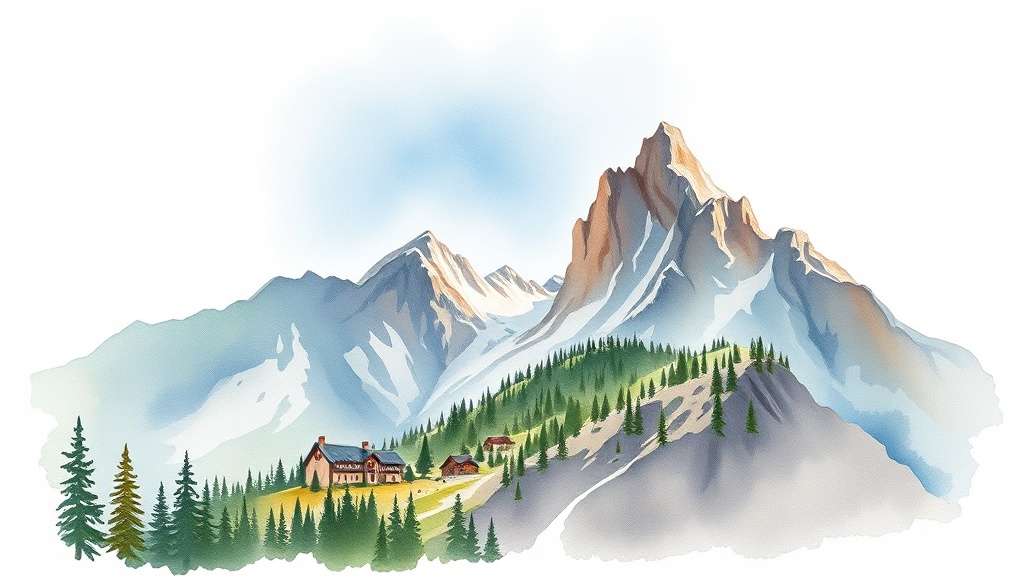
– Scenic drives and scenic-byways offer easy access to vistas without intensive hiking.
– Guided experiences such as wildlife safaris, fly-fishing trips, and guided climbs can enhance safety and local knowledge.
– Ranch stays and guest cabins give a taste of Western life and access to private areas for horseback riding or birding.
– Summer hiking and winter snow sports both have strong followings — cross-country skiing, snowmobiling, and downhill resorts provide seasonal variety.
Leave no trace and support conservation
The popularity of Wyoming’s public lands makes stewardship important. Pack out trash, stick to established trails, and support local conservation groups and visitor centers. Responsible recreation helps preserve these landscapes for future visitors and for the wildlife that depends on them.
Whether you’re chasing geysers, summiting jagged peaks, or seeking a slower pace amid wide horizons, Wyoming rewards careful planning with unforgettable scenery and a sense of space that’s increasingly rare.