Moab and its surrounding parks deliver a one-of-a-kind blend of red-rock scenery, world-class recreation, and accessible trail systems.
Whether you’re drawn to towering arches, sweeping canyon overlooks, or slickrock bike runs, a smart plan makes the difference between a great visit and an avoidable headache.
Highlights to prioritize
– Arches National Park: Home to iconic formations like Delicate Arch and the labyrinthine fins and windows near Devils Garden. Short viewpoint hikes and longer loop options suit a wide range of abilities.
– Canyonlands National Park: The Island in the Sky mesa offers dramatic overlooks and easy-to-reach viewpoints; the Needles district rewards longer backcountry hikes with spires, canyons, and solitude.
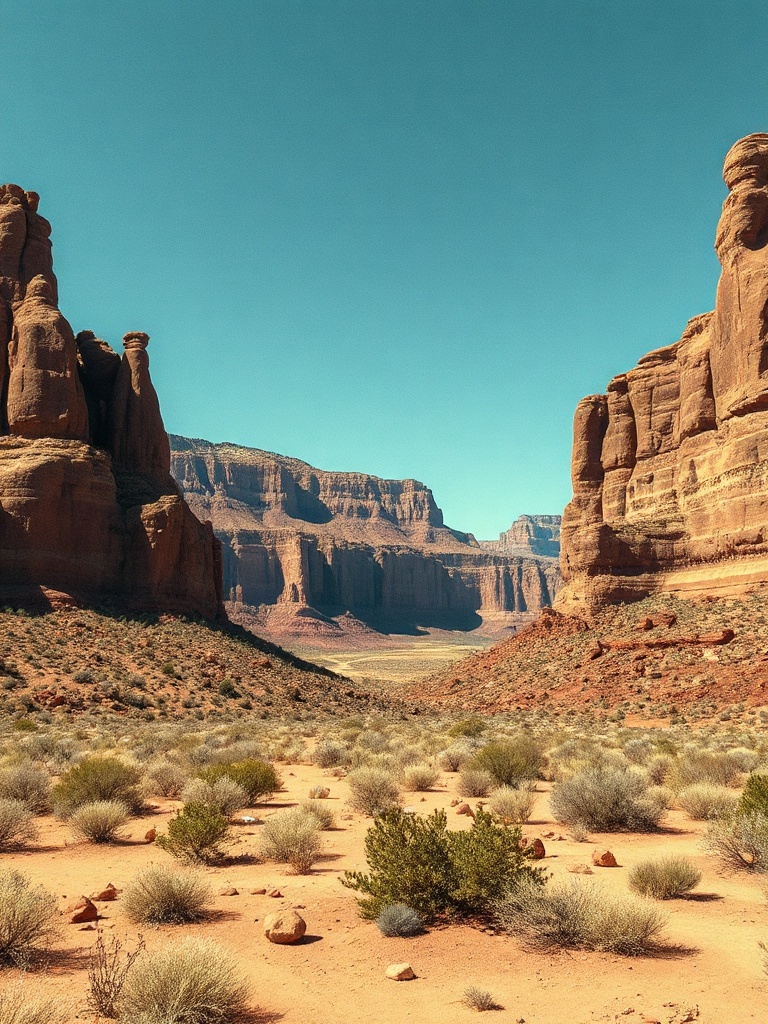
– Slickrock and mountain biking: Moab’s slickrock trails are legendary. Expect technical climbs and exposed sections that demand confidence and good brakes.
– Off-roading and scenic drives: Designated 4×4 routes and scenic byways provide access to remote viewpoints and slot canyons. Use maps and stay on designated track to protect fragile soils.
– River recreation: The Colorado and Green rivers offer rafting and paddle options from mellow floats to multi-day canyon trips, with high payoff for wildlife and geology viewing.
Practical tips for a smoother visit
– Start early: Popular trails fill and temperatures rise quickly. Early starts provide cooler hiking conditions, better light for photography, and more parking options.
– Hydration and sun protection: Desert environments dehydrate fast. Carry at least one liter of water per hour for strenuous activity, wear sun-protective clothing, and use high-SPF sunscreen.
– Footwear and gear: Sturdy hiking shoes, a daypack, and trekking poles for steeper or uneven terrain will make hikes safer and more comfortable. For biking, use gloves and a properly maintained helmet.
– Check access rules: Peak visitation can bring timed entry, permit requirements, or vehicle restrictions. Verify the latest access rules and trail conditions on official park or recreation websites before you go.
– Respect fragile landscapes: Stay on established trails and avoid walking on cryptobiotic soil or off-route sandstone. These surfaces take decades to recover when disturbed.
Safety considerations
– Weather can change quickly: Afternoon thunderstorms may cause flash floods in canyons; sudden temperature swings are common. Know escape routes and avoid narrow washes when storms approach.
– Know your limits: Many iconic viewpoints are near cliff edges with minimal railings. Keep children and pets close and avoid risky photo stunts.
– Navigation: Cell reception is spotty in many park areas.
Carry a paper map or download offline maps and know how to use them.
Leave No Trace basics
– Pack out what you pack in, including food scraps and tissues.
– Minimize campfire impacts—use established fire rings where allowed or a camp stove.
– Avoid collecting rocks, plants, or cultural artifacts; archaeological sites are protected and fragile.
Moab’s parks are a draw for first-timers and repeat visitors alike because of their diversity—from easy scenic overlooks to demanding backcountry adventures. A little preparation, respect for the landscape, and awareness of weather and access rules will make your visit memorable for all the right reasons. Check official park resources for the latest conditions and permit information before heading out.