Montana Fishing: Smart Strategies for Big Water and Quiet Streams
Montana fishing is a blend of wide, trout-rich rivers, intimate freestone streams, and high-country lakes.
Whether chasing wary wild trout on a small stream or targeting big browns on a tailwater, success comes from reading water, matching the hatch, and respecting local rules and habitat.
Where to Go
Popular destinations include long tailwater systems and freestone rivers. Tailwaters below major dams often offer steady flows and predictable hatches, making them ideal for nymphing and dry-dropper setups.
Freestone streams, fed by mountain runoff, can produce explosive topwater action in cooler conditions and hold fish in pockets, seams, and undercut banks. Backcountry lakes and alpine tributaries reward lightweight gear and stealth.
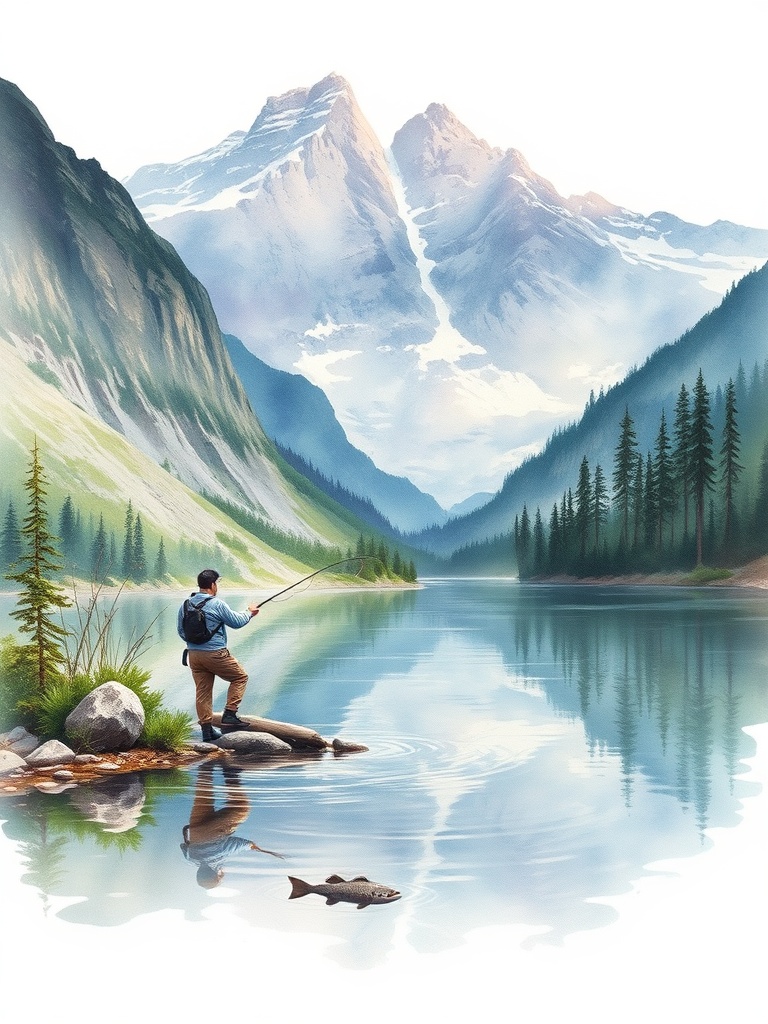
Species and Behavior
Rainbow, brown, and native cutthroat trout dominate the scene. Browns are often aggressive and respond to streamers and large dries; rainbows can be active in fast water and riffles; cutthroats prefer cleaner, cold tributaries and sometimes require gear and tactics that minimize stress. Learning species-specific behavior improves catch rates and helps anglers practice targeted conservation.
Tactics That Work
– Nymphing: The most reliable approach on many Montana rivers. Use beadhead nymphs, pheasant tail, or stonefly patterns on a dropper or two-weighted nymph rig. Indicators or Euro-style tight-line nymphing both produce fish depending on water speed and depth.
– Dry flies: When surface activity picks up, classic patterns such as elk hair caddis, Adams, and parachute mayflies can be deadly. Presentation and drift control are critical.
– Streamers: Big streamers mimicking baitfish or sculpins trigger strikes from larger trout, especially near structure, deeper runs, and during low-light periods.
– Match the hatch: Observing insect life—midges, mayflies, caddis, stoneflies—guides fly choice.
In slower water, tiny midge patterns can outfish flashier flies.
Gear Tips
– Rod selection: Lighter rods for small streams (3–5 weight) and sturdier rods for big rivers or streamer work (6–8 weight).
– Leaders and tippets: Fine tippets increase hookups on pressured water; choose material that balances invisibility with strength.
– Waders and footwear: Choose breathable waders and grippy boots with good ankle support. Use caution on slippery rocks and in fast flows.
Regulations and Conservation
A valid fishing license is required, and many waters have special regulations—fly-fishing-only sections, gear restrictions, seasonal closures, and native-species protections. Check the state fish and wildlife agency for the latest rules before heading out. Practice catch-and-release where appropriate, use barbless hooks or flatten barbs to reduce handling injury, and handle fish with wet hands and minimal air exposure.
Preventing the spread of aquatic invasive species is critical: clean and dry gear, drain live wells, and never move bait between waters unless allowed. Respect private property, pack out all trash, and follow leave-no-trace principles to keep rivers healthy and accessible.
Safety and Etiquette
Weather can shift quickly in mountain environments—carry layers, a rain shell, and a basic first-aid kit. Be mindful of boat traffic on bigger rivers and share popular access points. When wading, scout deeper runs visually and use a wading staff if uncertain.
When encountering other anglers, communicate courteously about space and casting lanes.
Final Thought
Montana fishing rewards patience, observation, and adaptability. Focus on reading water, matching insect activity, and practicing good stewardship—these habits turn occasional trips into consistently productive days on the river while protecting the places anglers cherish.