Wyoming: Big Skies, Big Wild, Big Opportunity
Wyoming’s appeal is immediate: sweeping sagebrush basins, jagged mountain ranges, iconic geothermal features and some of the darkest night skies in the lower 48. For travelers, outdoor lovers and anyone craving room to breathe, Wyoming delivers a mix of adventure, solitude and Western culture that’s hard to find elsewhere.
Why visitors flock to Wyoming
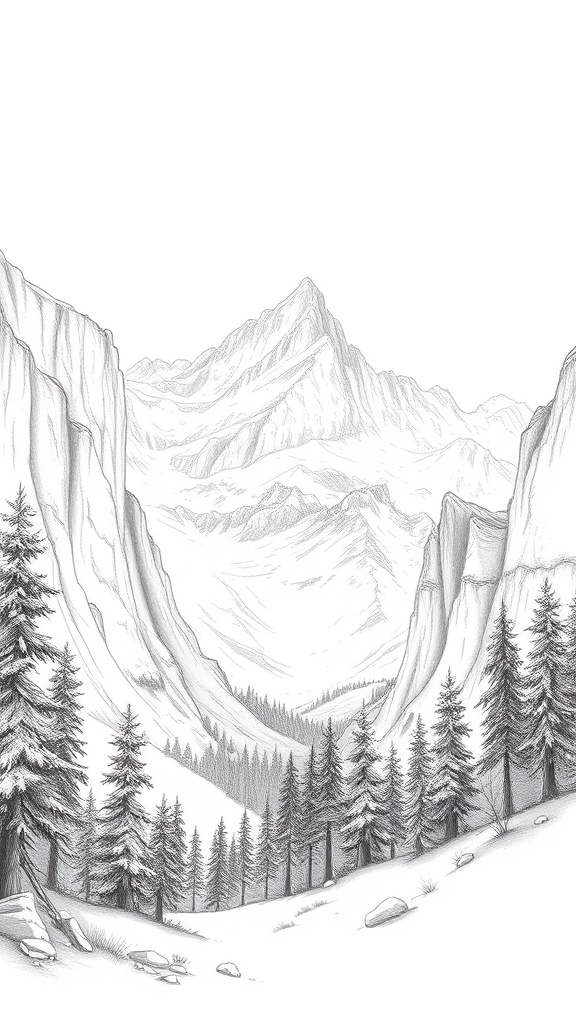
Two national park anchors draw worldwide attention: one famed for dramatic geysers, hot springs and bison herds; the other for towering peaks, glacial lakes and world-class climbing. Beyond those magnets are vast national forests, Bureau of Land Management tracts and state wildlife areas that provide near-endless access to hiking, camping, fishing and wildlife viewing.
Small towns like Jackson, Cody and Lander offer gateway services, local galleries, ranch breakfasts and a genuine Western vibe.
Top outdoor experiences
– Hiking and backpacking: Miles of trails range from gentle meadows to alpine ridgelines.
Popular trailheads see heavy use, but plenty of lesser-known routes reward those willing to explore.
– River trips and fly-fishing: Tailwaters and mountain streams host trout and scenic float trips — local outfitters can match skill level and conditions.
– Skiing and snow sports: Mountain resorts and backcountry zones cater to skiers and snowboarders seeking steep runs, powder and technical descents.
– Wildlife safaris: Elk, moose, pronghorn and grizzly/bear country require respectful distance and proper precautions. Dawn and dusk are prime viewing times.
– Stargazing and photography: With long, clear nights and little light pollution, the sky becomes a show; aurora sightings and meteor showers can be spectacular when conditions align.
Practical tips for a safer, more responsible trip
Elevation and weather can change quickly — carry layers and be prepared for sudden storms. Bear spray is essential in many areas and should be carried where large carnivores are present; learn how to use it and store food properly. Respect private land boundaries, pack out what you pack in, and follow Leave No Trace principles to preserve fragile high-country ecosystems. Check local regulations for permits and seasonal closures, particularly for backcountry travel and fishing.
Economic and cultural landscape
Tourism plays a major role in local economies, supporting guides, hospitality, retail and arts communities. Energy production, including fossil fuels and growing renewable projects, shapes statewide debates about land use and economic diversification. Ranching and rodeo traditions remain central to cultural identity, while contemporary galleries, music festivals and culinary scenes reflect evolving community tastes.
Conservation and stewardship
Conservation efforts focus on protecting migration corridors, restoring habitat and balancing recreation with wildlife needs. Partnerships among state agencies, federal land managers, tribal nations and conservation organizations pursue practical solutions to protect wildlife connectivity while supporting outdoor access.
Planning a trip
Accessibility varies: major airports serve key gateways, while many backcountry access points require long drives on rural roads. Lodging ranges from luxury mountain resorts to dispersed campsites — both offer unique ways to experience Wyoming’s landscape. Book guides and reservations ahead for high-demand areas, and remain flexible; conditions often dictate what’s possible on any given day.
Whether seeking adrenaline or quiet, Wyoming delivers landscape-scale experiences that stay with visitors long after they leave. For responsible travelers, it offers an invitation to step into wide-open spaces, witness spectacular wildlife, and connect with living Western traditions.