Montana fishing has a legendary reputation for clear rivers, wild trout, and wide-open country that draws anglers wanting a genuine outdoors experience. Whether you chase rising fish on a tailwater or troll a high-mountain lake, a few core strategies and local habits will make any trip more productive—and more respectful of the fishery.
What to expect
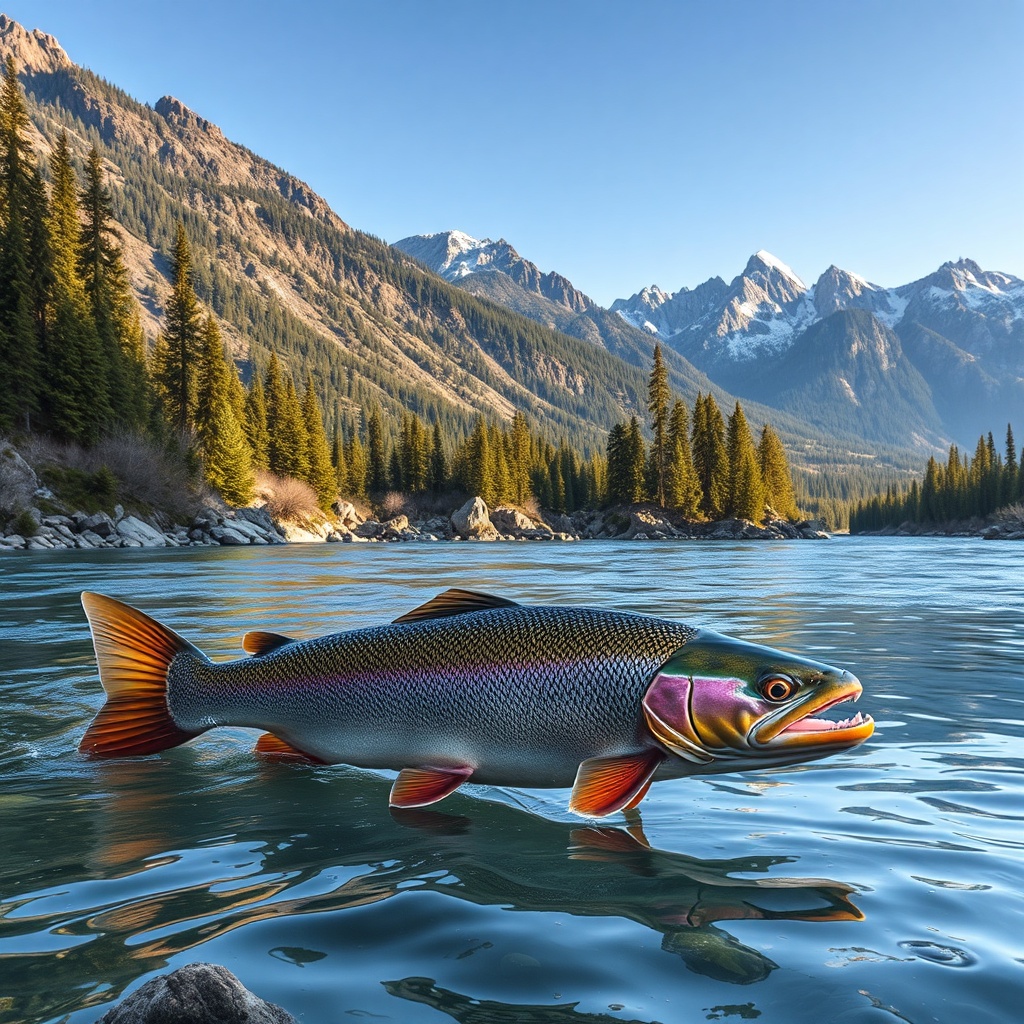
Montana waters range from freestone streams and spring-fed tailwaters to large reservoirs and alpine lakes. Trout species dominate: rainbow, brown, and native cutthroat are the most sought-after, and each water offers different feeding patterns and tactics. Rivers can swing from placid to powerful with runoff and weather changes, so plan for variable conditions.
Licenses, rules, and local regs
Before you cast, secure the appropriate fishing license and check local regulations. Many waters have special rules to protect native species—mandatory barbless hooks, single-hook flies, or catch-and-release sections are common. Stream closures, bait restrictions, and hatchery trout limits may apply. The best practice is to consult the state fish-and-wildlife site or a local fly shop for current restrictions and any temporary advisories.
Tactics that work
– Dry-fly fishing: On calm days with visible rises, match the hatch with a realistic dry fly and keep drag out of the drift. Lighter leaders (9–12 feet tapered, with 4X–6X tippet) give a natural presentation.
– Nymphing: Many trout feed subsurface; a two-nymph rig with an indicator or Czech-style tight-line nymphing will cover water effectively.
Use bright beadheads early or deep to reach fish holding near structure.
– Streamers: For active larger trout, streamers that imitate baitfish or sculpins can trigger aggressive strikes, especially in low light or higher flows.
– Stillwater tactics: Short, weighted nymphs, chironomids, and leech patterns fished on a bubble setup are effective on lakes.
Cast to weed edges and drop-offs.
Gear essentials
A 4–6 weight fly rod covers most trout situations; longer rods help mending and long drifts. Polarized sunglasses are indispensable for sight fishing and safety.
Carry a net with rubberized mesh to reduce scale damage, a forceps for hook removal, and a small first-aid kit. Dress in layers and bring waders suitable for cold water—hypothermia is a real risk even on mild days.
Fish handling and conservation
Practice gentle, quick handling to maximize survival of released fish: keep fish in the water when possible, wet hands before touching, remove hooks quickly (use barbless hooks when allowed), and revive fish head-first in current until it swims away.
Clean, drain, and dry all gear, boats, and waders between waters to prevent spread of invasive species and pathogens.
Local knowledge matters
Local fly shops and guides provide up-to-the-minute intel on hatches, flows, and productive runs.
They can also help match flies to local insect life and suggest access points that avoid overcrowding sensitive areas.
If you’re new to an area, hiring a guide for a day often pays off in saved time and improved success.
Respect the resource
Leave No Trace principles are essential—pack out trash, avoid driving through streambanks, and use established parking and access points. Anglers who practice good stewardship ensure these fisheries remain healthy and accessible for everyone who loves the rhythm of a flyline cutting the Montana air.