Moab’s parks are a magnet for outdoor lovers, offering dramatic red-rock scenery, iconic sandstone arches, and a surprising variety of adventures packed into a compact area. Whether you’re drawn to short scenic walks, technical canyoneering, mountain biking, or night-sky photography, a smart approach will help you get the most from a visit to the parks around Moab.
Highlights to prioritize
– Delicate Arch: The classic postcard view is reached by a moderately strenuous hike across slickrock. Plan for firm footwear and plenty of water; the final approach is exposed and can be windy or hot.
– Devil’s Garden and Landscape Arch: A mix of short viewpoints and longer trails that showcase some of the park’s longest and thinnest arches. The area offers options ranging from easy strolls to a more adventurous loop with scrambling.
– Windows and Double Arch: Ideal for families and photographers; these formations are close to the road and deliver dramatic frames at sunrise and sunset.
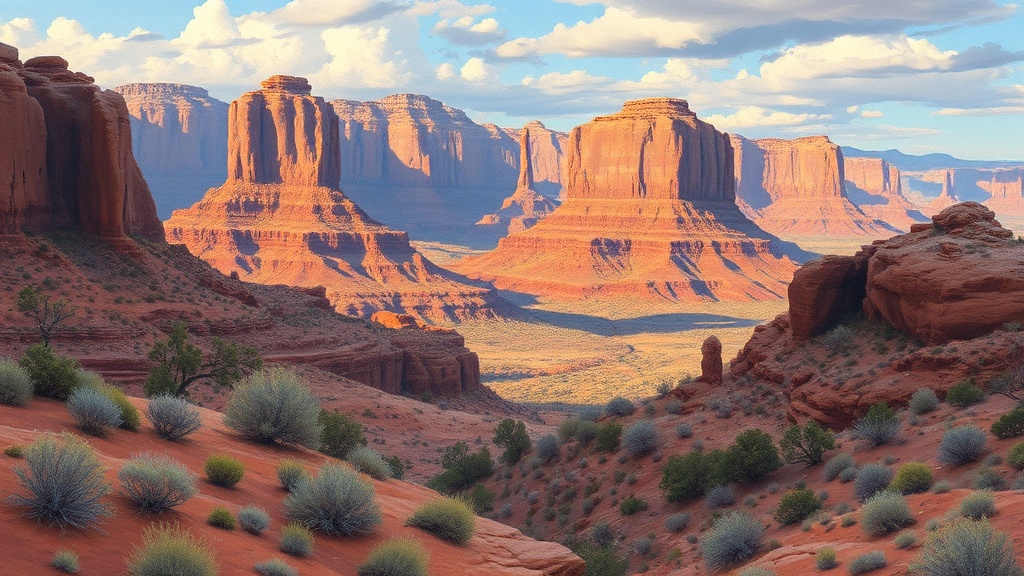
– Fiery Furnace: A maze of narrow fins and slots that rewards exploration. Permits or ranger-led tours are required for unaccompanied visits—guided routes are a good way to experience the area safely and learn the geology.
Practical tips for a better visit
– Timing matters: Early morning and late afternoon provide softer light and fewer crowds. Midday is hottest and busiest; plan strenuous hikes for cooler parts of the day.
– Water and sun protection: The desert environment can be deceptively harsh.
Carry more water than you think you’ll need, wear a sunhat and UPF clothing, and use high-SPF sunscreen.
– Footwear and navigation: Trails can be sandy, rocky, and slick; closed-toe shoes with good traction are essential. Some routes traverse unmarked slickrock—pay attention to cairns and trail markers.
– Parking and logistics: Popular trailheads fill early.
Carpooling, shuttles if available for special events, or starting from less crowded trailheads helps avoid parking congestion. Check the park’s official site for current access conditions and any roadway or trail closures.
Leave-no-trace and fragile surfaces
The thin biological soil crust that coats much of the high desert is irreplaceable; walking off-trail damages these crusts and accelerates erosion. Stay on designated trails, avoid creating new paths, and pack out everything you bring in.
If you encounter social trails or unofficial shortcuts, resist the urge to follow them.
Safety and regulations
– Weather respect: Flash floods can occur in narrow canyons after distant storms. Avoid slot canyons when rain is nearby.
Heat and sudden temperature swings are the other main weather hazards—dress in layers and watch for signs of heat illness.
– Wildlife and plants: Observe wildlife from a distance.
Do not feed animals.
Leave plants and geological features untouched.
– Permits and backcountry use: If you plan to camp in backcountry zones, hike into restricted areas, or join a Fiery Furnace visit, secure the necessary permits in advance or book a ranger-led trip.
Photography and night skies
The parks near Moab are renowned for photogenic compositions—arches framed by wide desert skies, bold shadows at golden hour, and dramatic silhouettes at sunset. Night skies here are exceptionally dark compared with urban areas, offering excellent conditions for star trails and Milky Way shots.
Use a sturdy tripod, remote shutter, and warm clothing, and be mindful of other visitors when using lights.
Beyond the main park
Moab is bordered by extensive Bureau of Land Management terrain and wilderness areas that expand opportunities for mountain biking, off-highway vehicle riding, and dispersed camping.
Popular singletrack like the Slickrock trail is a different kind of desert experience and requires a separate plan for gear and hydration.
Check official park resources for alerts, permit requirements, and the most current guidance before heading out. Respect the landscape and other visitors, and you’ll leave with memories—and photos—that last a lifetime.