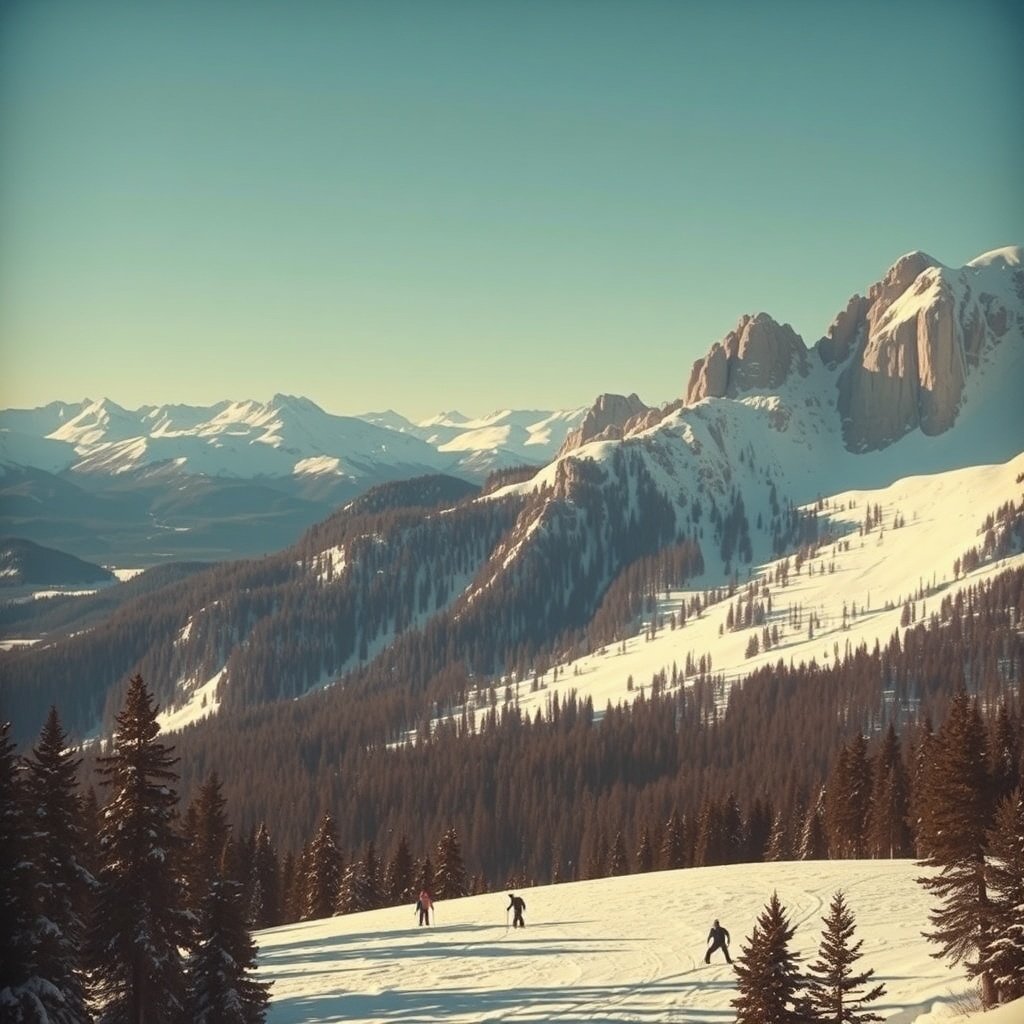
Utah skiing remains a top draw for skiers and snowboarders chasing dry, light powder and a variety of terrain within easy reach of a major airport. The Wasatch Range delivers steep bowls, tree runs, groomers and family-friendly slopes, making it an excellent destination whether you’re chasing first chair or a weekend getaway.
What makes Utah special
– Legendary snow quality: The combination of cold air and low humidity often produces famously dry powder that skis light and deep.
Local microclimates and lift-access terrain can reward storm days with incredible snowfall accumulations.
– Compact access: Many world-class resorts cluster along the Wasatch Front, so it’s common to base in a nearby city and drive less time than other big mountain destinations to reach multiple resorts in a single trip.
– Diverse terrain: From steep, hike-to lines and big-mountain bowls to gentle groomers and terrain parks, Utah’s resorts cater to experts, intermediates and families alike.
Several resorts are known for exceptional gladed runs and long pitch options.
Top resort highlights
– Big-mountain thrills: Certain resorts are famed for long descents and backcountry-adjacent terrain. Expect steep chutes, high-alpine bowls and terrain that rewards technical skiing.
– Ski-only resorts: A few resorts maintain skier-only policies, creating a distinct culture and slope experience for skiers.
– Family-focused resorts: Several mountains emphasize beginner terrain, strong lesson programs and on-mountain childcare, making them ideal for families learning the ropes.
Planning and logistics
– Airport gateway: The nearest major airport offers frequent flights and is generally the most convenient entry point for most visitors. Shuttle services, rental cars and rideshares connect to mountain towns and resort bases.
– Lodging options: Choose slope-side accommodations for quick access to lifts, or stay in a nearby city for more dining and nightlife choices while accepting a short commute to the hill.
– Lift tickets and passes: Multiple pass programs cover single resorts or provide access to several properties. Compare single-day ticket prices, multi-day packages and seasonal passes to find the best value for how many days you plan to ski and which mountains you want to visit.
Safety and preparedness
– Altitude and hydration: Expect higher elevations; take time to acclimate, hydrate and avoid overexertion on your first day. Layer clothing and bring sun protection—UV exposure increases with elevation.
– Avalanche awareness: If venturing off-piste, carry proper avalanche safety gear (transceiver, probe, shovel), travel with partners, and consider an avalanche safety course before heading into uncontrolled terrain. Check resort and backcountry avalanche reports daily.
– Equipment and rentals: Demo centers and rental shops at resort bases make it easy to try recent ski and snowboard models. Helmets are strongly recommended. If you rent, reserve gear in advance during peak periods to ensure availability.
Maximizing the experience
– Take a lesson: Even intermediate skiers can benefit from a tune-up with a local instructor to learn the best lines and techniques for powder and steep terrain.
– Early-season flexibility: Storm cycles and temperature swings can change snow conditions quickly; keep plans flexible and watch mountain cams and forecasts.
– Après and dining: Resort villages and nearby towns offer lively après-ski scenes and a range of dining from casual burgers to upscale mountain restaurants—perfect for recharging after a big day.
Whether you’re chasing powder laps, exploring groomers, or introducing kids to snow sports, Utah’s ski areas offer a compelling mix of terrain, accessibility and snow quality that keeps visitors coming back season after season.