Wyoming’s balancing act: outdoor life, energy transition, and small-town resilience
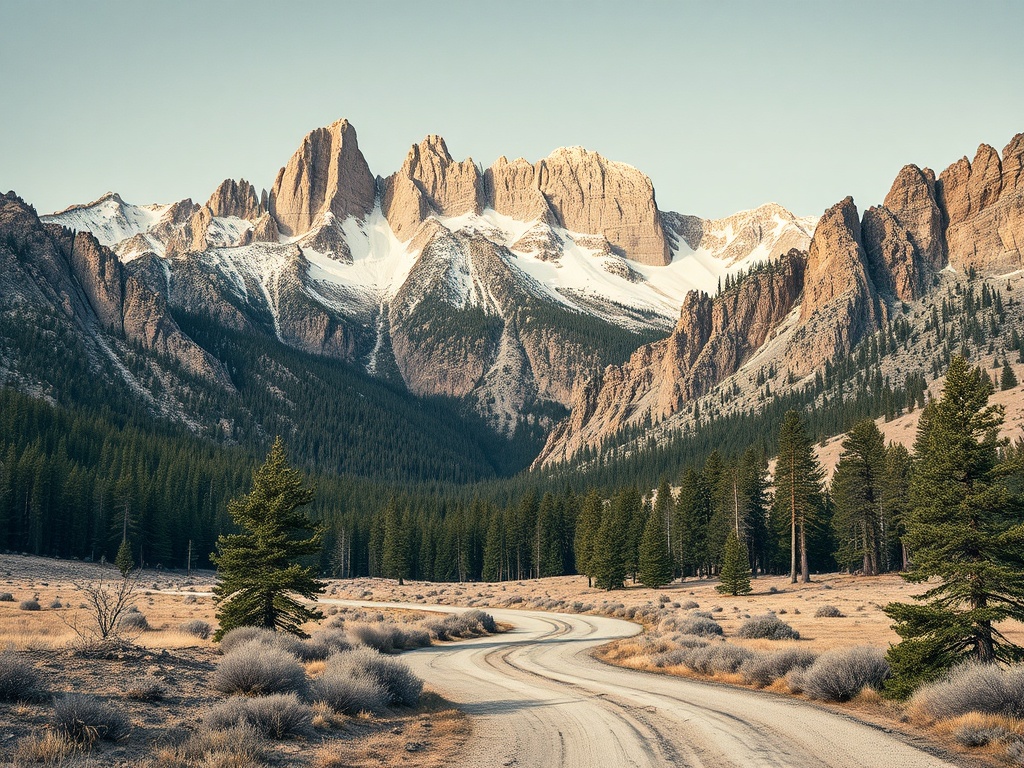
Wyoming is often described as “big sky country” for good reason: vast horizons, dramatic mountain ranges, and wide-open plains define a landscape that supports a unique mix of outdoor recreation, resource development, and rural community life. That mix creates opportunities and tensions worth watching for residents and visitors alike.
Outdoor recreation and responsible tourism
Yellowstone and Grand Teton draw many visitors, but abundant state and national forests, scenic byways, and backcountry trails mean crowds can be easily escaped.
Popular activities include fly fishing on freestone rivers, hiking alpine meadows, wildlife viewing, and world-class skiing and snowboarding in mountain towns.
For a better experience and to protect fragile ecosystems:
– Plan ahead and obtain necessary permits for popular areas.
– Use Leave No Trace practices and respect seasonal closures.
– Give wildlife ample space; keep dogs leashed near wildlife and never feed animals.
– Consider visiting shoulder seasons or lesser-known public lands to avoid congestion.
Energy transition and land-use challenges
Energy production has long been central to the local economy. While traditional fossil-fuel extraction remains important, there is growing activity around renewable energy, mine reclamation, and advanced technologies such as carbon management and critical mineral extraction. Those shifts bring investment and jobs but also raise questions about land use, water resources, and community impacts.
Debate continues over how best to site wind and solar projects, expand transmission, and manage mining for minerals that power batteries. Balancing economic opportunity with protection of wildlife corridors, sagebrush habitat, and scenic values will be a defining policy issue. Collaborative planning that involves ranchers, tribes, conservation groups, and energy developers helps reduce conflict and identify win-win solutions.
Wildlife conservation and migration corridors
Wyoming is home to iconic species—elk, moose, bison, pronghorn, and migratory birds—along with contentious conservation topics such as carnivore management and habitat connectivity. Maintaining safe migration routes for pronghorn and mule deer, protecting calving and winter ranges, and ensuring fish passage in rivers are priorities that intersect with road design, energy projects, and recreational development.
Community resilience and housing
Small towns and rural communities are adapting to shifts in tourism and energy.
Remote work and lifestyle migration have increased demand for housing in desirable mountain towns, putting pressure on local affordability and workforce housing. Many communities are pursuing mixed approaches—zoning adjustments, incentives for employee housing, and investment in local services—to retain year-round residents and support small businesses.
Tips for planning a Wyoming visit or project
– Check local conditions and permit requirements before traveling or launching ground-disturbing work.
– Respect private property and grazing operations; many trails cross working ranchlands.
– Support locally owned businesses and outfitters to keep tourism dollars in the community.
– Learn about seasonal wildlife behavior—calving, migrations, and breeding seasons—to avoid disturbing animals and reduce human–wildlife conflicts.
Wyoming’s future will likely be shaped by how well communities balance conservation, outdoor recreation, and economic diversification. The state’s wide-open landscape offers both the challenge and the opportunity to plan for resilient towns, healthy ecosystems, and sustainable local economies while preserving the very attributes that draw people there.