Montana fishing blends wide-open landscapes with world-class waters, making it a top destination for anglers chasing trout, smallmouth bass, and scenic solitude. Whether floating a big river, casting from a riverbank, or boating on a clear lake, knowing the right rivers, tactics, and conservation practices makes the difference between a memorable trip and a frustrating one.
Where to go
– Rivers: Big freestones and tailwaters both produce great fishing. Famous rivers hold consistent trout populations—look for riffles and pocket water where trout feed. Smaller freestone streams and spring creeks offer technical dry-fly and sight-fishing opportunities.
– Lakes: Flatwater anglers find large trout and land-locked salmon in deep lakes, while shallower reservoirs and backcountry ponds are great for rainbows and brook trout.
– Access: Montana has many public access sites and river pullouts. Some waterways use a permit or lottery system for popular float sections, and certain stretches may require guided trips.
Always check local access rules before planning a float or bank session.
Target species and behavior
Trout are the headline—rainbow, brown, cutthroat, and brook trout dominate.
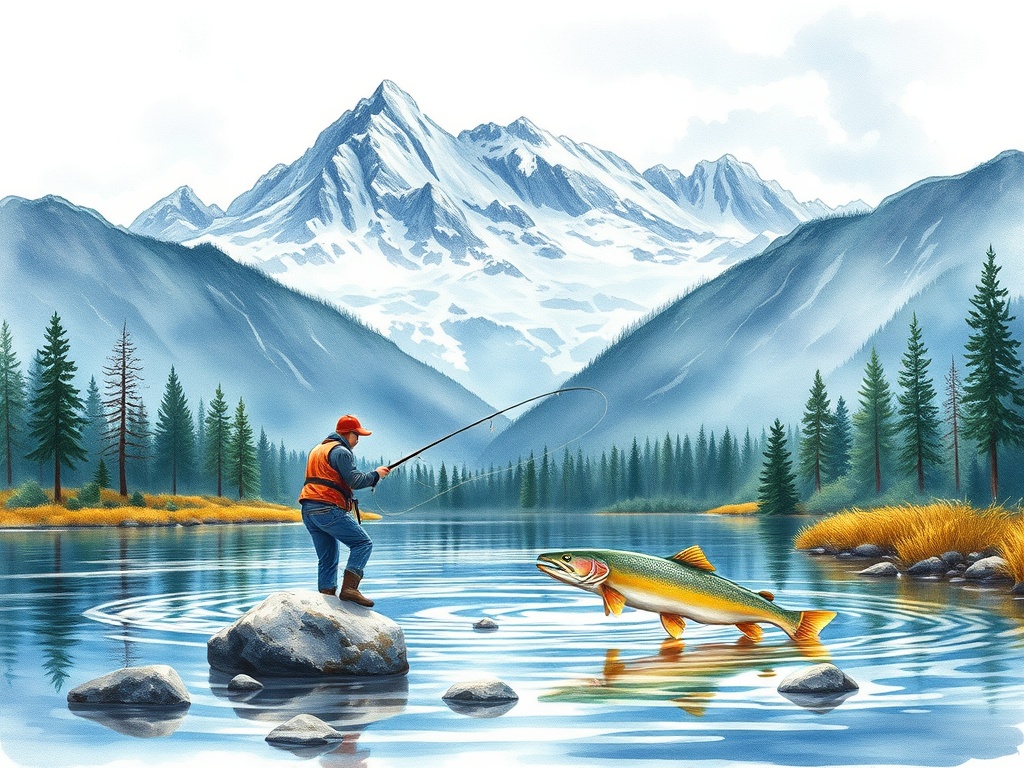
Rainbows and browns can be aggressive, taking streamers and nymphs; native cutthroat require extra care in many areas due to conservation rules. Smallmouth bass show up in warmer tailwaters and reservoirs, providing a fun alternative in low-elevation waters.
Hatches and seasonal patterns
Spring runoff can make rivers high and technical; focus on tailwaters and spring creeks until flows stabilize. Late spring and early summer bring prolific mayfly and caddis hatches—dry-fly anglers thrive during those windows. Summer afternoons are prime for terrestrials like hoppers and ants along riverbanks. Fall often produces strong streamer action as trout feed heavily before winter.
Techniques and gear
– Fly fishing dominates, but spin anglers catch plenty using spoons, spinners, and crankbaits. For trout, a 3–6 weight rod covers most situations; a 6–8 weight is better for bigger rivers or streamer work.
– Nymphing (including Euro nymphing) is the workhorse technique—use weighted nymphs, indicators, or tight-line setups with 4–5X tippet for most conditions.
– Dry flies excel during hatch windows; popular patterns include Adams, Elk Hair Caddis, and terrestrial imitations. Streamers and woolly buggers are essential for targeting aggressive brown trout.
– Use fluorocarbon tippet for low-visibility water and when fishing pressured fish.
Keep leaders short and tapered for accurate drift and hookups.
Conservation and etiquette
Montana anglers have a strong conservation ethic.
Follow catch-and-release best practices where required, use barbless hooks to reduce harm, and practice careful fish handling—wet hands, minimal air exposure, and gentle release techniques increase survival. Prevent the spread of invasive species by cleaning boats, draining live wells, and drying gear before moving between waters; zebra mussels and aquatic hitchhikers pose serious threats.
Regulations and safety
A valid fishing license is required for most anglers, and special regulations often protect native fish and vulnerable waters. Daily limits, tackle restrictions, and catch-and-release zones vary by river and lake; consult the state wildlife agency for current regulations and river-specific advisories. Prepare for changing weather—storms and quick temperature swings are common, and cold water can create hypothermia risk even on sunny days.
Local knowledge and guided trips
First-time visitors often benefit from hiring a local guide who knows current flows, hatches, and access points. Guides also provide equipment, safety briefings, and the most efficient way to experience popular floats and remote stretches.
Plan the trip with respect for the resource and fellow anglers, and a day on Montana water can be both a fishing success and a restorative outdoor experience. Check local regulations, pack the right gear, and leave each spot in better condition than it was found.