Moab sits at the intersection of dramatic red-rock scenery and world-class outdoor recreation, drawing visitors eager for hiking, mountain biking, canyoneering, and off‑roading. With millions of acres of public land nearby — including iconic national and state parks — smart planning is essential to have a safe, responsible, and memorable visit.
Top sights and activities
– Arches National Park: Home to Delicate Arch, Landscape Arch, and the extended Devils Garden trails.
Popular viewpoints and short hikes can be extremely crowded, so timing matters.
– Canyonlands (Island in the Sky and Needles districts): Offers sweeping canyon overlooks, technical routes, and backcountry opportunities. Mesa Arch is a must-see at sunrise.
– Slickrock Trail and other singletrack: Renowned mountain biking terrain with varied technical sections and spectacular vistas.
– Off-roading and OHV routes: Trails like Hell’s Revenge and Fins & Things require high-clearance vehicles and experience; many routes traverse soft slickrock and steep exposure.
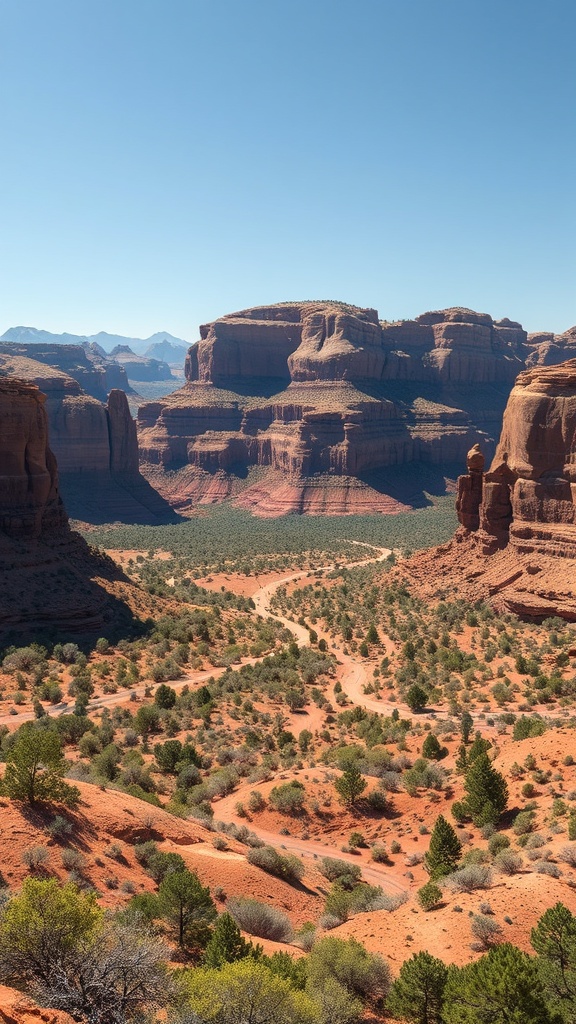
– State and BLM areas: Dead Horse Point, Sand Flats, and surrounding Bureau of Land Management lands add scenic overlooks, camping, and less-crowded access points.
Safety and weather
Desert conditions demand hydration and sun protection. Bring at least one liter of water per hour of strenuous activity, wear a hat, and use high-SPF sunscreen. Heat can spike midday; plan strenuous outings for early morning or late afternoon. Monsoon-style storms can cause flash floods in canyons—avoid slot canyons if storms are forecast and check current local weather before heading out.
Access and logistics
A timed-entry reservation system for peak access is now used at the busiest park entrances to reduce congestion and protect fragile landscapes. Parking often fills early on popular trails, so arrive before sunrise if you want a prime spot without waiting. Local outfitters provide guided hikes, canyoneering trips, shuttle rides, and rental gear, which is a great option for technical routes or first-time visitors.
Leave No Trace and desert stewardship
The delicate soil crust that binds desert ecosystems is easily destroyed by foot and tire traffic. Stay on established trails, avoid shortcutting switchbacks, and park only in designated areas.
Pack out all trash, and be mindful of biological crust, cryptobiotic soils, and native vegetation.
Respect cultural sites and historic features; many areas are sacred to Indigenous communities.
Permits, fees, and responsible recreation
Some activities require permits or special equipment—technical canyons, commercial guiding, and certain backcountry campsites often have permit rules.
Check official park and land-management websites for the latest information on fees, reservations, and closures.
Carry a printed map and a physical backup of your plan; cell service can be intermittent.
Practical tips
– Plan hikes and rides for dawn or dusk to avoid heat and crowds.
– Invest in proper footwear for slickrock and steep scrambles.
– If off-roading, bring recovery gear, extra water, and a partner vehicle when possible.
– Leave pets at home for long hikes; shade and water are scarce on many routes.
– Support local businesses and trail stewardship groups that fund maintenance and education.
Moab’s rugged beauty and wide array of outdoor pursuits make it a go‑to destination for adventurers of all levels. With preparation, respect for fragile desert ecosystems, and awareness of current access rules, visitors can enjoy unforgettable vistas while helping preserve them for future visitors.