Wide-open skies, jagged mountain silhouettes, and wildlife that appears around every bend—Wyoming remains a top destination for outdoor adventure and wildlife viewing. Whether you’re planning a multi-day backcountry trek, a river float, or a relaxed drive through iconic national parks, a little planning goes a long way toward a safe, memorable trip.
Why Wyoming stands out
Wyoming’s mix of high mountains, sagebrush plains, alpine lakes, and geothermal features creates one of the most varied outdoor classrooms in the country.
Two national parks anchor the state’s natural appeal, offering geothermal wonders, sweeping valleys, and classic mountain vistas. Outside the parks, national forests, BLM lands, and Wilderness Areas provide miles of trails, dispersed camping, and less-crowded solitude.
Top activities to consider
– Hiking and backpacking: Trails range from easy lakeside strolls to remote alpine routes. Elevation gains can be steep; build acclimation time into your itinerary.
– Wildlife viewing and photography: Elk, bison, pronghorn, moose, bears, and wolves are all possibilities. Dawn and dusk are prime times.
– Fly fishing and river floats: Cold, clear rivers and streams deliver excellent trout fishing and scenic guided floats.
– Scenic driving and road trips: Backcountry byways and mountain passes reward patient drivers with dramatic landscapes.
– Winter sports: Snowmobiling, cross-country skiing, and backcountry touring are accessible where conditions permit—check local advisories and avalanche forecasts.
Practical safety and etiquette
– Respect wildlife distances: Keep far enough away to avoid disturbing animals—bears and wolves require particularly large buffers. Never approach calves, nests, or den sites.
– Carry bear spray and know how to use it in grizzly and black bear country; store food securely at campsites.
– Expect rapid weather shifts: Mountain conditions can change quickly—layer clothing, pack rain and wind protection, and carry extra insulation.
– Prepare for limited cell service: Many trailheads and backcountry corridors have little or no coverage. Download offline maps and share your plan with someone who’s not traveling with you.
– Leave no trace: Pack out all trash, minimize campfire impacts where regulations allow, and stick to durable surfaces to protect fragile alpine and riparian habitats.
Permits, passes, and logistics
Many popular trailheads and campsites now require reservations or permits during peak seasons, and national park entrance fees apply. Backcountry and overnight permits are common for multi-night routes.
If you plan guided activities—rafting, climbing, or interpretive wildlife tours—book early as reputable outfitters can fill up fast.
Local culture and responsible tourism
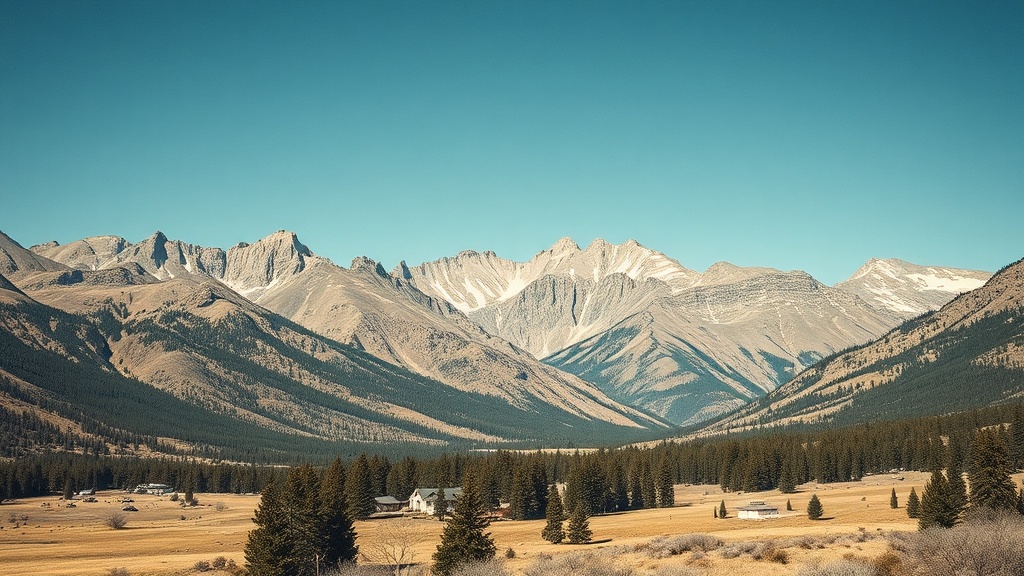
Ranching, outdoor recreation, and energy sectors shape the state’s character.
Visitors can support local economies by choosing locally owned lodges, outfitters, and restaurants. Respect private land and posted boundaries—many public access points are adjacent to working ranches.
Packing checklist (must-haves)
– Layers and waterproof outerwear
– Sturdy hiking boots and gaiters where applicable
– Bear spray and a small first-aid kit
– Water treatment or filtration and ample hydration
– Sun protection, map, compass or GPS, headlamp
Wyoming rewards careful planning with experiences that stay with you: steaming geothermal basins at dawn, elk bugling across a valley, and star-soaked night skies unmarred by city light. With an emphasis on safety, respect, and local stewardship, your visit can be both adventurous and responsible—leaving the landscapes and wildlife as inspiring for the next traveler as they were for you.