Montana fishing draws anglers for its scenic rivers, healthy trout populations, and the chance to connect with wild water. Whether focusing on blue-ribbon fly fishing or bank-side casting, understanding river behavior, species habits, and local stewardship makes every outing more productive and responsible.
Where to go
– Rivers: The major freestone rivers and tailwaters offer distinct experiences.
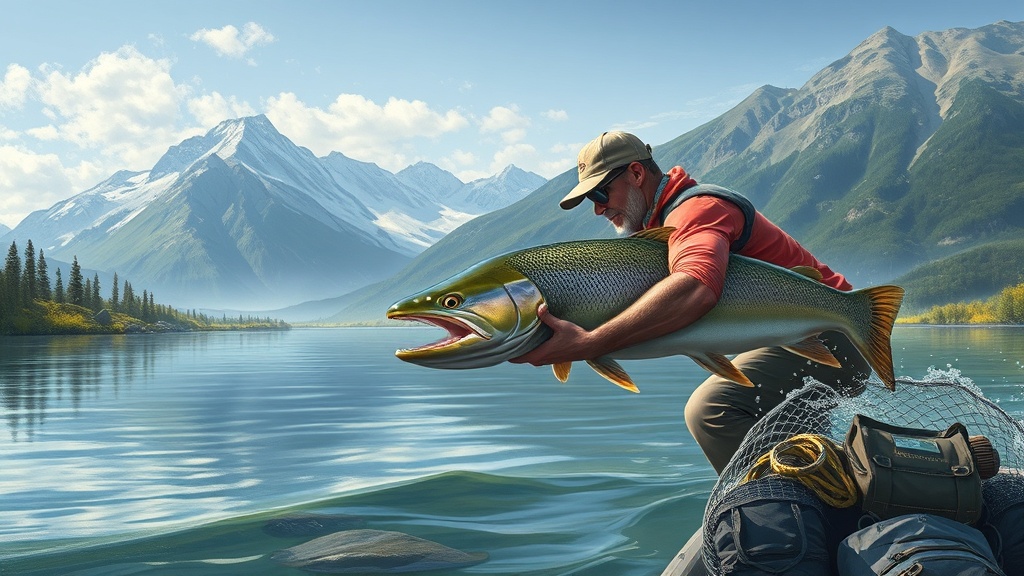
Fast, gin-clear streams produce sight-fishing opportunities for cutthroat, rainbow, and brown trout; larger rivers create structure-holding lanes where nymphs and streamers excel.
– Lakes and reservoirs: High-country lakes reward dry-fly and ultralight tackle anglers targeting cutthroat and brook trout. Big reservoirs support kokanee, lake trout, and ice-fishing opportunities when conditions permit.
– Smaller streams and spring creeks: These often allow close-range sight fishing and delicate presentations, ideal for dry flies and precision nymphing.
Target species and tactics
– Cutthroat trout: Often found in headwaters and spring creeks; favor small dries, emergers, and long leaders for spooky fish.
– Rainbow trout: Versatile feeders; switch between dry flies, nymph rigs, and aggressive streamer patterns depending on conditions.
– Brown trout: Hold in structure and deeper runs; larger nymphs and streamers work best for targeting big browns.
– Other species: Native and stocked populations include brook trout, lake trout, and kokanee; match location and technique to species behavior.
Techniques that work
– Nymphing: The most reliable method for feeding fish that’s out of sight—use split-shot or indicators, and explore different depths until you find fish holding zones.
– Dry-fly fishing: Early morning and late evening are prime for surface activity; match the hatch and keep presentations drag-free.
– Streamer fishing: Effective for larger, territorial trout—slow strips in deeper runs and undercut banks can trigger aggressive strikes.
– Switch to subsurface tactics during runoff or stained water when visibility drops.
Seasonal considerations
– Runoff and high water: Snowmelt and heavy rains push fish into off-bank structure.
Stealth and longer casts help when banks are blown out.
– Low flows: Fish concentrate in seams and deeper pools; be patient and methodical.
– Cold conditions and ice: Lakes and reservoirs offer winter options; always verify ice thickness and local safety guidelines before heading out.
Practical prep and etiquette
– Licenses and regulations: Always secure required fishing licenses and check local regulations for catch limits, special restrictions, and seasonal closures.
– Access and private land: Respect private property, use public access points, and seek permission when necessary.
– Clean, drain, dry: Prevent spread of invasive species like mussels by thoroughly cleaning gear between waters.
– Catch-and-release best practices: Use barbless hooks, minimize handling, keep fish in water, and revive fish before release to improve survival.
Conservation and community
Anglers can make a meaningful impact by supporting habitat restoration projects, participating in local river cleanup days, and reporting unusual fish health or invasive species sightings to fisheries authorities. Guided trips and local fly shops provide current intel on hatches, water levels, and best tactics—especially useful for newcomers or when conditions shift.
A thoughtful approach—combining sound technique, respect for private and public resources, and attention to conservation—turns each Montana fishing trip into a memorable outdoor experience and helps ensure healthy fisheries for the anglers who follow.