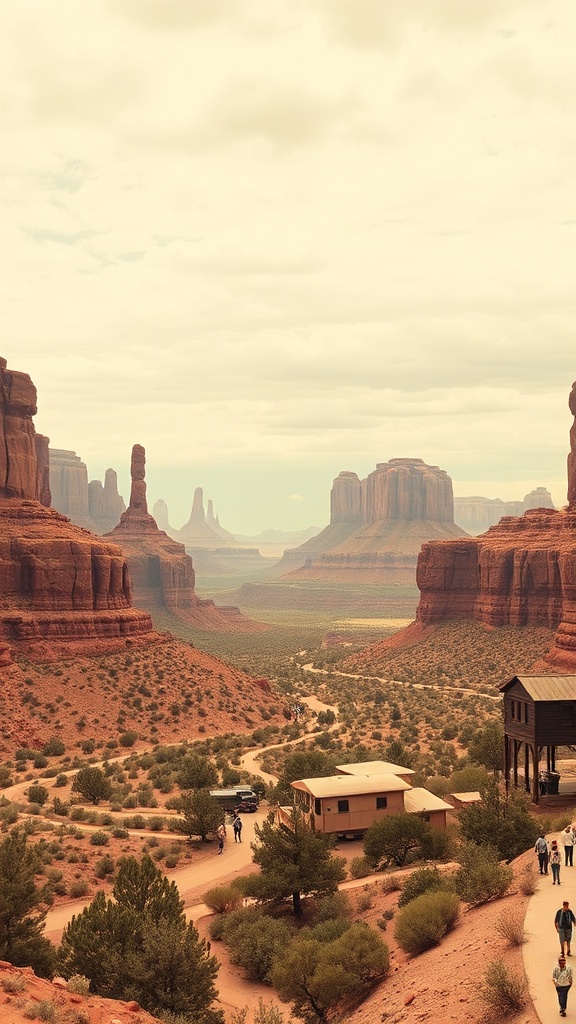
Moab sits at the gateway to some of the most dramatic red-rock scenery in the American Southwest, and the parks around town offer everything from easy family hikes to technical canyoneering and world-class mountain biking. Whether planning a day trip into Arches or a multi-day exploration of Canyonlands and nearby BLM lands, a little preparation makes the experience safer and more rewarding.
What to see and do
– Arches National Park: Home to hundreds of natural sandstone arches, popular routes include the Delicate Arch viewpoint and Devils Garden. Short walks reveal sculpted fins and balanced rocks; longer hikes lead to iconic formations and expansive desert panoramas.
– Canyonlands National Park: Divided into districts—Island in the Sky and Needles are the most accessible—this park offers cliff-edge overlooks, labyrinthine canyons, and backcountry routes that demand navigation skills.
– Slickrock and singletrack biking: Moab’s Slickrock Trail is legendary for technical riding across a sandstone “sea,” and dozens of singletrack options range from family-friendly loops to adrenaline-packed descents.
– Off-road and 4×4: Nearby BLM routes and the famous Hell’s Revenge area draw off-road enthusiasts. Proper vehicle preparation, route research, and respect for seasonal closures keep trips safe and legal.
– Water recreation: The Colorado and Green rivers provide rafting, flatwater paddling, and scenic boat options through dramatic canyon walls.
Practical tips
– Hydration and sun protection: Desert temperatures can climb rapidly; carry at least 3 liters of water per person for strenuous hikes, wear sun protection, and avoid the hottest hours for strenuous activity.
– Altitude and exertion: Moab sits around 4,000 feet above sea level. Even moderate hikes feel harder than at sea level—pace yourself to prevent dizziness or heat illness.
– Parking and crowd management: Popular trailheads fill early. Arrive before peak hours, consider less-visited trails, or plan visits during shoulder-season conditions when crowds are lighter.
– Permits and regulations: Check park and land-management websites for current entry requirements, timed-entry systems, and permit needs for overnight backcountry travel, river trips, or technical canyoneering.
– Leave No Trace: Fragile cryptobiotic soil and desert vegetation recover slowly. Stay on designated trails, pack out all trash, and avoid standing on delicate formations.
– Safety and emergency planning: Flash floods can develop quickly in canyon country; avoid narrow slot canyons during unstable weather.
Carry maps, a fully charged phone or satellite communicator for remote areas, and let someone know your route and expected return.
Photography and timing
Golden-hour light transforms sandstone colors, so sunrise and sunset are prime photographic windows. Some viewpoints are easily accessible; others require short hikes.
For iconic shots with fewer people, target early mornings or late evenings and scout alternate viewpoints that offer unique angles.
Conservation and stewardship
Visitor impact is an ongoing concern.
Supporting local restoration efforts and following rules helps preserve these landscapes for everyone. Volunteer trail days, donations to park foundations, and responsible tourism choices all contribute.
Moab and its parks offer unforgettable landscape experiences that reward curiosity and careful planning. Pack smart, respect the desert, and choose routes that match skill levels for a memorable visit.