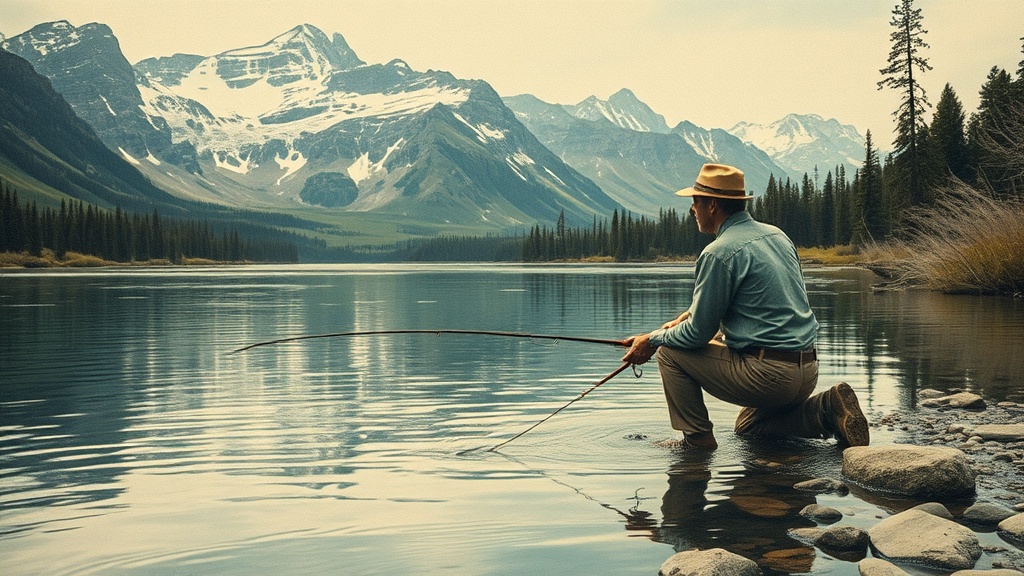
Montana fishing blends wide-open landscapes with some of the best trout waters in the country. Whether you chase wild browns on a freestone river, troll for kokanee in a high-country lake, or tackle the legendary tailwaters, a few smart habits and local knowledge will improve your odds and protect the resource.
Where to go and what to target
– Rivers: The big tailwaters and freestone rivers hold populations of brown, rainbow, and cutthroat trout. Each water has a personality—some fish aggressively to streamers and nymphs, while others favor delicate dry-fly presentations during hatch windows.
– Lakes and reservoirs: Mountain lakes produce brook and cutthroat trout, while larger reservoirs and lowland lakes can be great for trolling kokanee, lake trout, and rainbows.
– Streams and small waters: Small creeks can offer technical dry-fly fishing and a quieter experience away from busier stretches.
Techniques that work
– Nymphing: Indicator nymphing and Euro-style tight-line tactics are highly effective for subsurface trout that aren’t rising. Think multiple nymph rigs, split shot, and precise drift control.
– Dry flies: Match the hatch and present a drag-free drift. Late spring through early fall often delivers predictable hatch sequences—mayflies, caddis, and terrestrials all factor into dry-fly success.
– Streamers: For larger, aggressive trout, streamers fished with varied retrieves will trigger strikes, especially in lower-light periods.
– Trolling and trolling rigs: For lakes and reservoirs, downriggers, lead-core, or inline weights with spoons and plugs are productive for kokanee and lake trout.
Seasonal considerations
Runoff, water temperature, and food availability drive fish behavior.
High, colored water during spring runoff tends to push trout to calmer seams and tailwaters; low, clear water in late summer calls for stealth and lighter tippets. Early- and late-season fishing often rewards streamers and nymphs, while warm-weather mornings and evenings are prime for dry-fly action.
Regulations, permits, and conservation
Before you head out, secure the appropriate fishing license and learn current regulations for the water you’ll fish. Many rivers and lakes have special rules—slot limits, bait restrictions, or catch-and-release sections—designed to protect fisheries. Inspect boats and gear to prevent the spread of invasive species; many access points require decontamination or self-inspection.
Leave no trace and fish ethically
Practice low-impact angling: use barbless or pinched barbless hooks for easier, less harmful releases; keep fish in the water as much as possible; wet your hands and use rubber nets to preserve the slime coat. Respect private property and local anglers, access points, and closures.
Safety and logistics
Wear polarized sunglasses for sight-fishing and eye protection, and use a wading staff on slick or swift streams. Cold water can quickly sap body heat—layer clothing and carry a dry bag with emergency warmth.
Local fly shops and guide services offer up-to-date conditions, hatch reports, and gear advice; they’re a great resource for anglers of every skill level.
Make each trip count
Montana fishing is as much about the experience as it is about the catch. Adopt respectful angling techniques, stay informed about river conditions and regulations, and focus on improving skills—reading water, matching hatches, and refining presentations. Those habits not only increase success but help keep fisheries healthy and accessible for everyone.