Navajo art is a testament to the enchanting blend of history, culture, and spirituality that defines the Navajo people. This unique form of indigenous art has roots dating back centuries, with the Navajo tribe being recognized among the major contributors to the world of Native American art. Today, Navajo art continues to thrive, with a growing audience appreciating this exquisite art form that perfectly captures the spirit of the Navajo culture.
Rooted in age-old traditions, Navajo art flaunts impeccable craftsmanship and exceptional attention to detail. The artwork ranges from intricate jewelry, woven textiles, pottery, paintings, and sand art. An understanding of Navajo art requires a deeper comprehension of the tribe’s beliefs and values, with each art piece being a canvas for the Navajo tribe to express their rich cultural narratives.
Navajo art is known for its intricate weavings, which are not just visually captivating but also symbolically significant. The Navajo people are credited with introducing weaving to the Native American tribes, with the ‘Diné bizaad’ or ‘Navajo rug’ being one of the most sought-after pieces in the market today. The rugs are woven with deep respect for the traditional process, which is passed down through generations.
Often these rugs depict stories, traditions, and beliefs of the Navajo people, making them more than just decorative pieces.
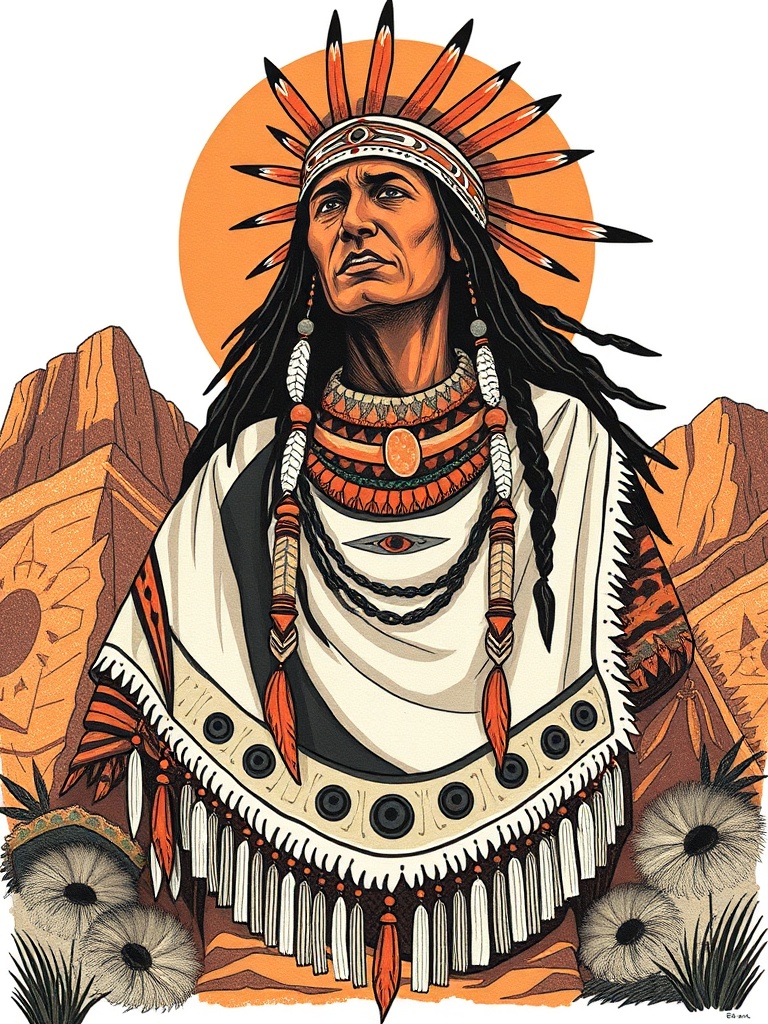
Jewelry is another notable aspect of Navajo art. From elegantly fashioned silver bracelets to the most complex squash blossom necklaces, Navajo jewelry is a hallmark of tribal identity and pride.
Traditional Navajo jewelry often incorporates turquoise, a sacred stone believed to bring good fortune and protection. This stone’s vibrant blue color beautifully contrasts with the gleaming silverwork, making Navajo jewelry a truly distinctive art form.
The Navajo people’s connection to nature is profoundly depicted in their sand paintings. These intricate designs, created with colored sand, are a spiritual exercise more than an art form. They are used in healing rituals, with the belief that the patterns and symbols help restore harmony and balance in the universe.
Today, these sand paintings serve as stunning artwork, with each piece symbolizing the sacred bond between the Navajo people and the natural world.
Paintings and pottery by the Navajo artists also captivate audiences with their bold colors and striking patterns. The pottery is hand-coiled, with clay gathered from the Navajo reservation.
Each pot tells a story, with the artists imprinting their personal experiences, hopes, and dreams onto the clay. The paintings, on the other hand, are vibrant renditions of the tribe’s mythology, capturing the spiritual essence of the Navajo culture.
In this digital age, the internet has opened up new avenues for the appreciation and acquisition of Navajo art. Numerous online galleries and art platforms are dedicated to showcasing and selling these pieces, connecting the artists with a global audience. This has not only increased the visibility of Navajo art but also highlighted the importance of preserving and promoting indigenous art forms.
The beauty of Navajo art lies in its ability to transcend time, maintaining its relevance and appeal over centuries.
It serves as a vibrant testament to the Navajo’s rich cultural heritage, offering a glimpse into their beliefs, values, and traditions. Each piece of Navajo art is more than just an object of aesthetic appeal; it is a woven tale of resilience, survival, and the preservation of a deep-seated cultural identity.
Navajo art continues to enchant and inspire, proving that true art, like the spirit of the Navajo tribe, is timeless. Today, with its growing popularity, Navajo art is not just a treasure of the Navajo people but a gem in the world of art and culture.